
Pilates Socks
Pilates Socks: How to Choose the Right Pair?
When you practice Pilates, every movement matters. A small change in your balance, posture, or foot placement can affect your entire workout. While many people focus on Pilates mats, clothing and equipment, one simple accessory can make a big difference: Pilates socks.
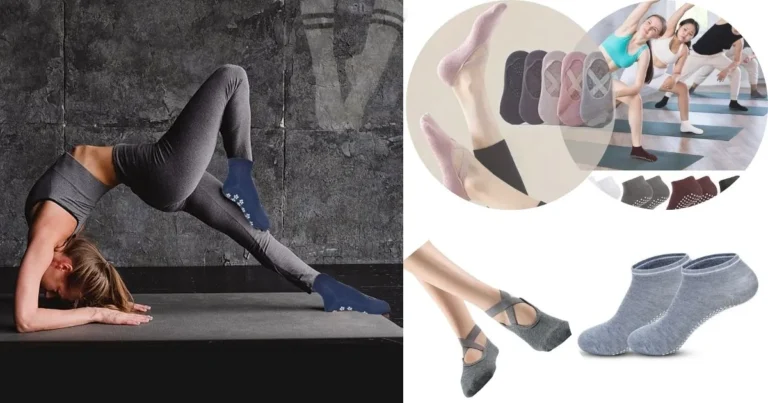
Unlike regular socks, Pilates sock feature special grip patterns on the soles that help prevent slipping during exercises. They provide better stability, improve body control and allow you to move confidently through different Pilates positions.
Whether you are a beginner joining your first Pilates class or an experienced practitioner looking for better performance, choosing the right pair of Pilates socks can improve your overall experience.
In this guide, we will explore what Pilates socks are, why they are useful, different types available, important features to consider and how to choose the best pair for your needs.
What Are Pilates Socks?
Pilates socks are specially designed workout socks with non-slip grips on the bottom that provide traction during Pilates exercises. Traditional socks can slide on smooth surfaces like studio floors, wooden floors, or Pilates machines. This slipping can make certain movements uncomfortable and may affect your balance.
Pilates socks solve this problem by using silicone, rubber, or PVC grip patterns on the sole. These grips create friction between your feet and the floor, helping you maintain stability during exercises.
Most Pilate socks are lightweight, breathable and flexible. They are designed to move naturally with your feet while providing extra support.
Common features of Pilates sock include:
- Non-slip grip soles
- Stretchable fabric
- Moisture-wicking materials
- Lightweight construction
- Toe separation options
- Arch support
Many Pilates studios recommend or require grip socks because they improve safety and hygiene during classes.
Why Do You Need Pilates Socks?
Some people wonder why they cannot simply wear regular athletic socks during Pilates. While regular socks may feel comfortable, they do not provide the same level of control.
Here are some important benefits of wearing Pilates socks.
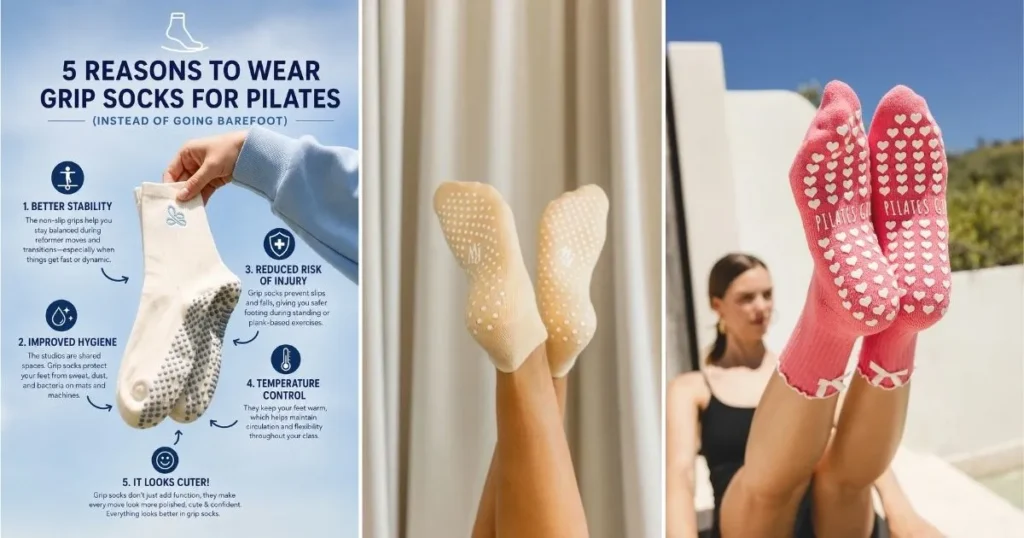
1. Better Grip and Stability
The biggest advantage of Pilates socks is improved traction.
During Pilates exercises, your feet often act as your foundation. Movements like planks, lunges, bridges and leg circles require controlled foot placement. Without proper grip, your feet may slide, making it harder to maintain correct form. The silicone grips on Pilates socks help your feet stay firmly connected to the surface, allowing smoother and safer movements.
2. Improved Balance During Exercises
Pilates focuses heavily on balance, flexibility and controlled movements. Exercises such as:
- Single-leg stretches
- Standing Pilates movements
- Side leg lifts
- Balance poses
3. Increased Comfort
Many Pilates sessions involve exercises where your feet rub against the mat or equipment. High-quality Pilates socks create a comfortable barrier between your skin and the surface. They can help reduce:
- Friction
- Skin irritation
- Discomfort from cold floors
Some designs also include soft materials and cushioned areas for additional comfort.
4. Better Hygiene
Pilates studios are shared spaces where many people exercise barefoot. Wearing Pilate socks creates a protective layer between your feet and studio equipment. They can help reduce direct contact with:
- Floors
- Pilates reformers
- Exercise mats
- Shared equipment
For people who prefer extra cleanliness during workouts, grip socks are a practical choice.
5. Support Natural Foot Movement
Unlike thick athletic socks, Pilates socks are usually lightweight and flexible. They allow your toes and feet to move naturally, which is important because Pilates emphasizes body awareness and controlled movement. Some Pilate socks feature the following:
- Individual toe sections
- Open-toe designs
- Flexible fabric blends
These designs allow better foot mobility.
Types of Pilates Socks
Pilate socks come in several styles. Choosing the right type depends on your comfort preference, workout style, and personal needs.
1. Full Toe Pilates Socks
Full toe Pilates socks cover each toe individually, similar to toe socks.
Benefits:
- Better toe movement
- Natural foot positioning
- Improved balance
- Reduced toe friction
They are popular among people who want a barefoot-like feeling while still having protection and grip.
2. Open Toe Pilates Socks
Open toe Pilate socks leave the toes exposed while covering the heel and bottom of the foot.
Benefits:
- More freedom for toe movement
- Better ventilation
- Barefoot feeling
- Less heat buildup
They are commonly used for Pilates, yoga, and barre workouts.
3. Ankle Pilates Socks
Ankle-length Pilate socks are one of the most common styles.
They cover the foot and reach slightly above the ankle.
Benefits:
- Everyday comfort
- Easy to wear
- Good balance between coverage and breathability
- Suitable for beginners
4. Low-Cut Pilates Socks
Low-cut Pilate socks sit below the ankle. They are ideal for people who prefer minimal coverage and lightweight designs.
Best for:
- Hot environments
- Intense workouts
- People who dislike higher socks
5. Grip Socks With Straps
Some Pilates socks include elastic straps across the top of the foot. These straps help keep the socks secure during movement.
Benefits:
- Better fit
- Reduced slipping inside the sock
- Stylish ballet-inspired appearance
They are especially popular in barre and Pilates studios.
6. Cozy Slouch Pilates Socks
Cozy Slouch Pilates Socks are soft, non-slip socks with a relaxed, slouchy fit. They provide extra warmth, comfort and grip, making them ideal for Pilates, yoga, barre and everyday lounging.
Benefits:
- Extra Warmth
- Superior Comfort
- Blister Protection
- Stylish Design & Versatile use
Pilates Socks vs Regular Socks
Many beginners ask whether regular socks can replace Pilates socks.
Here is the difference:
| Feature | Pilates Socks | Regular Socks |
| Grip | Silicone/rubber grip | No grip |
| Stability | Excellent | Limited |
| Workout use | Designed for Pilates | Everyday wear |
| Safety | Reduces slipping | Higher slipping risk |
| Breathability | Usually higher | Depends on material |
| Flexibility | Designed for movement | General comfort |
Regular socks are designed primarily for walking and everyday activities. Pilates socks are engineered specifically for controlled exercise movements.
What Makes a Good Pair of Pilates Socks?
Not all Pilates socks offer the same quality. Before buying, consider these important features.
- Strong Non-Slip Grip
- Breathable Fabric
- Stretch and Flexibility
- Comfortable Fit
Best Materials Used in Pilates Socks
The material of your Pilates socks affects comfort, breathability, durability, and overall performance. Since Pilates involves controlled movements and often barefoot-style exercises, choosing the right fabric is important.
Here are the most common materials used in Pilates socks:
1. Cotton Pilates Socks
Cotton is one of the most popular materials because it feels soft and comfortable against the skin.
Advantages:
- Soft texture
- Affordable
- Comfortable for everyday use
- Good breathability
However, pure cotton can absorb sweat and dry slowly. For intense Pilates sessions, cotton blends are often a better choice.
2. Bamboo Pilates Socks
Bamboo fiber has become increasingly popular in socks because of its softness and moisture management properties.
Benefits:
- Extremely soft feel
- Naturally breathable
- Helps control moisture
- Comfortable for sensitive skin
- Lightweight
Bamboo blends are a good option for people who want a premium and eco-friendly feel.
3. Polyester Pilates Socks
Polyester is commonly added to workout socks because it is durable and quick-drying.
Benefits:
- Lightweight
- Resistant to wear
- Dries quickly
- Maintains shape after washing
Many performance Pilate socks use polyester mixed with other fibers for better durability.
4. Nylon Pilates Socks
Nylon improves strength and durability. It helps socks handle repeated stretching and movement without losing their shape.
Benefits:
- Long-lasting
- Smooth texture
- Resistant to damage
- Good elasticity
5. Spandex or Elastane
Most Pilates socks include a small amount of spandex or elastane. This material provides:
- Stretch
- Better fitting
- Flexibility
- Shape retention
Without elastic fibers, socks may become loose and uncomfortable during movement.
Popular Pilate Socks Brands
Several brands produce high-quality grip socks designed for Pilates, yoga, and studio workouts.
1. ToeSox
ToeSox is one of the most recognized names in Pilates socks. The brand is known for:
- Five-toe designs
- Non-slip grip soles
- Yoga and Pilates-focused products
Their socks are popular among professional instructors and studio users.
2. Tavi Noir
Tavi Noir specializes in grip socks designed for Pilates, barre, and yoga. Popular features include:
- Stylish designs
- Comfortable fabrics
- Strong grip technology
- Studio-friendly styles
3. Gaiam
Gaiam offers fitness accessories, including grip socks suitable for yoga and Pilates. Their products focus on:
- Comfort
- Affordability
- Everyday fitness use
4. Bombas
Bombas is known for premium everyday and performance socks. Their grip sock collections are popular among people looking for comfort, quality materials, and supportive designs.
Pilates Socks vs Grip Socks: Are They the Same?
This is a common question among beginners. The short answer: Pilates socks are a type of grip sock but not all grip socks are Pilates socks. Grip socks are a broader category that includes any socks with non-slip bottoms.
They are used for:
- Pilates
- Yoga
- Barre
- Hospitals
- Home use
- Fitness training
Pilates socks are specifically designed for Pilates movements and usually include features such as:
- Flexible construction
- Studio-friendly designs
- Toe options
- Arch support
Pilates Socks vs Yoga Socks
Although Pilates and yoga socks look similar, there are some differences.
| Feature | Pilates Socks | Yoga Socks |
| Main purpose | Pilates exercises | Yoga practices |
| Grip | Strong floor grip | Grip for yoga poses |
| Design | Often fitted for equipment | Often lightweight |
| Toe styles | Common | Also available |
| Usage | Reformer and mat Pilates | Yoga mats and studios |
Many people use the same socks for both activities because both require stability and balance.
How to Wash These Socks Properly
Taking care of your Pilate socks helps maintain their grip and extends their lifespan.
Follow these washing tips:
- Wash With Cold Water
- Avoid Harsh Chemicals
- Turn Socks Inside Out
- Air dry when possible
FAQs
Final Thoughts
Pilates socks are a simple but valuable accessory for anyone who practices Pilates regularly. They improve grip, support balance, increase comfort and help create a safer workout experience.
The best Pilates socks should offer a strong non-slip grip, breathable fabric, comfortable fit and enough flexibility for natural foot movement. Whether you choose toe socks, open-toe designs, or traditional ankle styles, the right pair can help you feel more confident during every Pilates session.
As Pilates continues to grow worldwide, grip socks have become more than just workout accessories. They are now an essential part of many studio routines, helping beginners and professionals move with better control and stability.