
Running Socks
Running: Simple, But Not Easy
Running isn’t just a workout—it’s a ritual. Whether you’re chasing a personal best or clearing your head after a long day, the right gear makes all the difference. No monthly fees. Just your body, your breath and the road. It burns fat, boosts your heart, clears your mind and builds grit. That’s why millions do it. Some for the high. Some for the results. Some just to escape the noise.
But here’s the catch—running beats up your feet. Hard pavement. Repetitive impact. Sweat. Friction. Blisters. It adds up fast. Most people obsess over shoes. Cool. But they forget the one thing that sits between their feet and their shoes running socks.
Game changer. These socks aren’t just soft. They’re smart. Built to wick moisture. Stop blisters. Hug your arches. And breathe like a champ. If you’re serious about running or even just starting, ditch your regular socks. Let’s talk about what makes running socks a must-have for every mile.
What Are Running Socks?
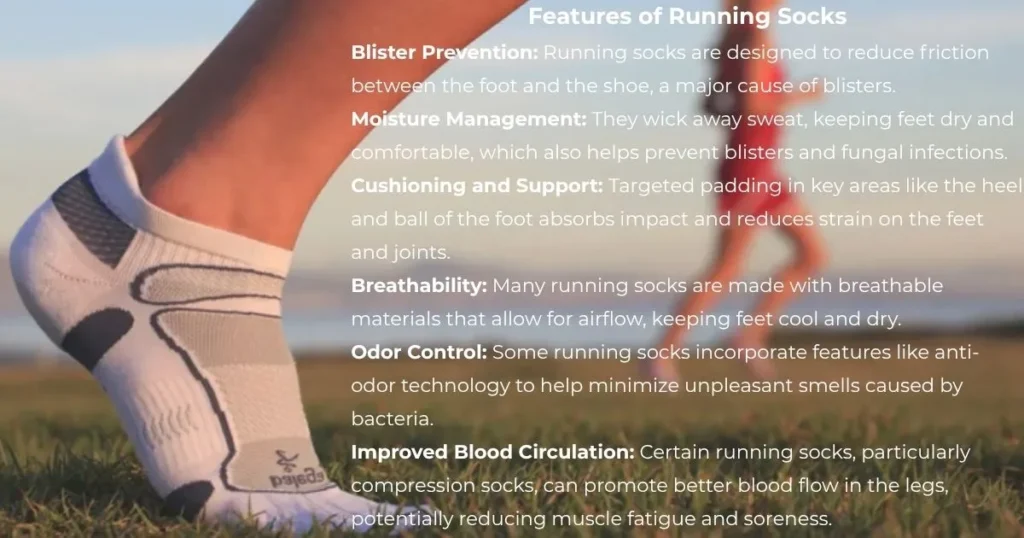
Running socks are not your average everyday socks. They’re engineered for movement. Every thread and feature is intended to keep your feet safe and improve performance.
We’re talking:
- Moisture-wicking fabric
- Cushion in key zones
- Arch compression
- Blister prevention
- Breathability/Mesh
In short: they’re built to run. Literally.
What Makes a Good Running Sock?
Let’s break it down. These are the non-negotiables.
1. Moisture-Wicking Material
Moisture-wicking fabric transforms the experience for runners by drawing sweat away from the skin, ensuring feet stay dry and blister-free, even during the longest runs. Say goodbye to soggy socks, chafing, and excuses.
Look for:
- Synthetic blends (nylon, polyester)
- Merino wool (yes, wool—but it’s light, soft, and breathable)
2. Seamless Toe
Ever had a seam dig into your toe for five miles straight? Yeah, not fun. Seamless construction prevents rubbing. No irritation. Just smooth strides. Perfect for long runs.
3. Arch Support
Compression around the arch gives your feet that locked-in feel.
- No sliding.
- No wobbling.
- More stability.
- Less fatigue.
4. Targeted Cushioning
Padding in running socks is all about balance. Too much makes them feel bulky and awkward, while too little leaves your feet vulnerable to impact and pain. The best running socks get it just right, adding targeted cushioning only in high-impact zones like the heel and forefoot—right where you need it most.
5. Breathability Zones
Some running socks are built like high-tech air conditioners for your feet. Mesh panels allow airflow.
6. Heel Tab
That little tab on the back? Not just for show. It protects your Achilles, stops sock slippage and keeps you locked in. The no-slip back is a total game-changer on long runs.
7. Compression Zones
Not all compression is equal. Great running socks use strategic compression zones—like mini support systems built into the sock.
- Stabilizes muscles
- Increases blood flow
- Reduces vibration and fatigue
- Speeds up recovery
Your calves, arches and ankles will feel the difference.
Note: Want to dive deeper into the world of compression? Check out our detailed guides on Compression Socks for Men and Compression Socks for Women to see how they boost performance and recovery.
8. High-Tech Materials
Today’s best socks are basically footwear tech in fabric form.
Look for:
- Olefin: Lightweight, quick-drying, used in elite socks
- Coolmax®: Keeps feet cool and dry
- Lycra® or Spandex: Adds stretch and hold
- Antibacterial fibers: Stops stink in its tracks
Best Materials for Running Socks
| Material | Why It Works |
| Nylon | Smooth, durable, fast-drying |
| Polyester | Lightweight, moisture-wicking |
| Spandex | Adds stretch and shape retention |
| Merino Wool | Temp-regulating, odor-blocking, ultra-soft |
| Olefin | Super quick-drying, often found in elite running socks |
| Cotton | Soft and breathable, but holds moisture |
Running Sock Styles: What’s the Best Fit?
Different runs, different socks. Here’s the lowdown:
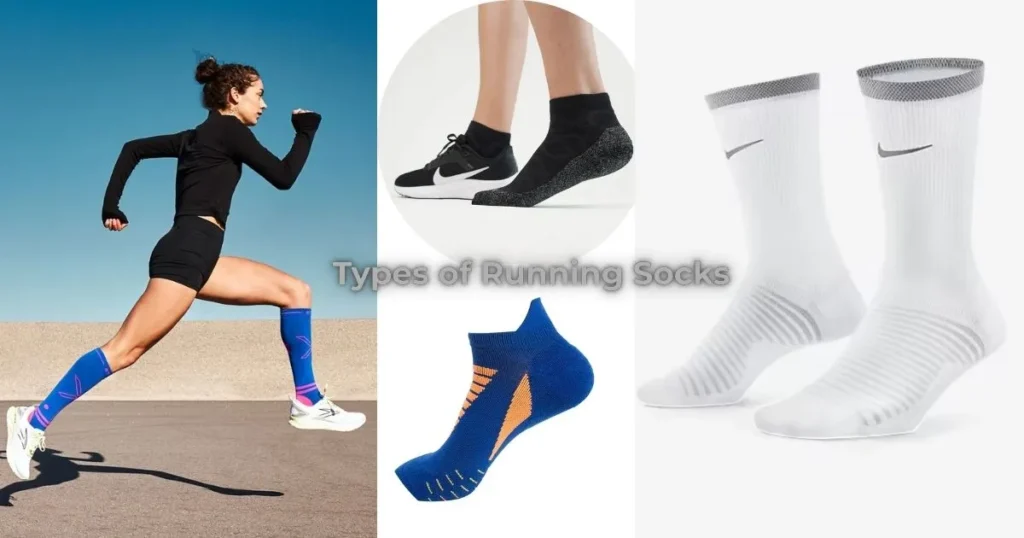
No-Show Running Socks
- Super low
- Great for hot weather
- Look clean with low-top shoes
- Watch for slippage (unless they have tabs)
Ankle Running Socks
- Slightly more coverage
- Most popular for daily runs
- Heel protection included
Crew Running Socks
- Mid-calf length
- Keeps dirt, trail debris and scratches out
- Ideal for trail runners
Compression Running Socks
- Higher length (crew to knee high)
- Boosts blood flow
- Helps with long-distance runs and recovery
Common Running Sock Problems (And How to Fix Them)
1. Blisters
Blisters are every runner’s worst nightmare. They usually occur due to friction and trapped moisture. The solution? Use seamless, moisture-wicking socks that help keep your feet dry and minimise rubbing.
2. Socks Sliding Down
Nothing’s more annoying mid-run than socks slipping into your shoe. To prevent the slide, choose socks with snug cuffs or heel tabs that keep them in place.
3. Overheating
If your feet feel like they’re on fire, your socks may be too thick or not ventilated properly. To stay cool, choose lightweight socks with mesh ventilation and breathable fabrics.
4. Bulkiness
Thick, overly padded socks can feel clunky and awkward. Instead, go for socks with thin, strategic cushioning in just the heel and forefoot—where it matters most.
Top Brands for Running Socks
These are the big names in the running world:
| Brand | What They’re Known For |
| Balega | Ultra-soft, seamless, blister-free runs |
| Feetures | Anatomical design, arch support |
| Swiftwick | Compression and high-performance blends |
| Darn Tough | Merino wool, lifetime guarantee |
| Injinji | Toe socks for blister-free toe splay |
| Nike & Adidas | Good for beginners and brand-conscious people |
FAQs
Final words
Running socks aren’t just for comfort. They’re protection. They’re support. They’re performance gear. If you’ve been running in basic cotton socks, you’re holding yourself back. Upgrade your socks. Upgrade your run. Your feet will notice. Your miles will feel smoother. Your performance will pop. Don’t let your gear slow you down. Start from the ground up—with socks built to run.