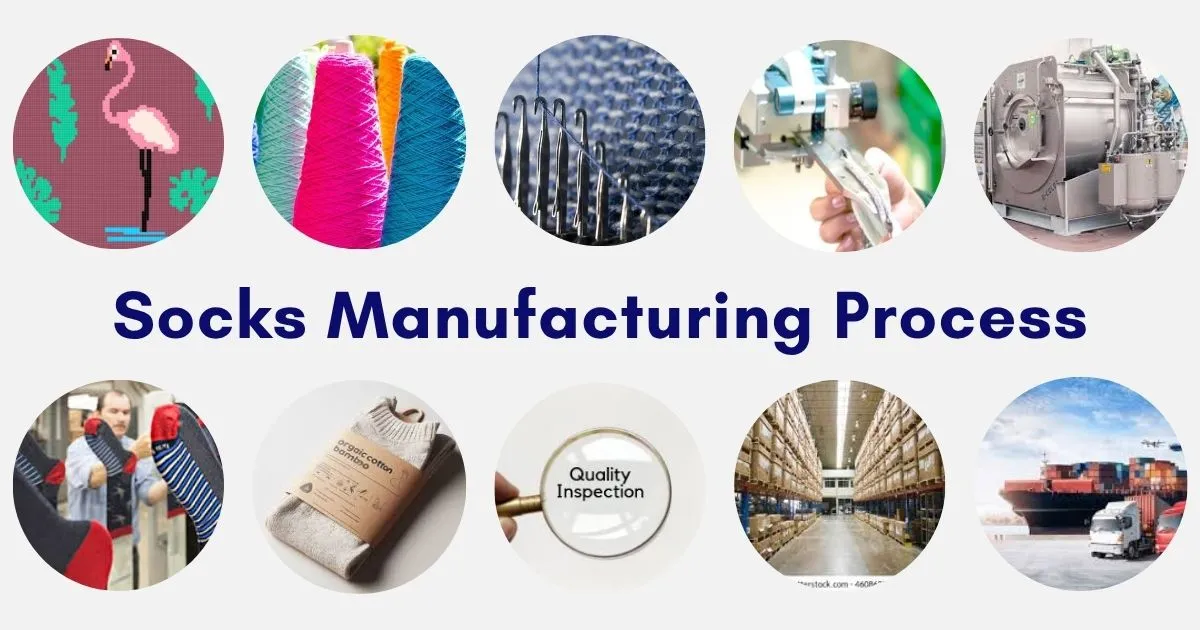
Socks Manufacturing Process
Socks Manufacturing Process: How Socks Are Made Step-by-Step Guide
Socks are one of those everyday essentials we barely think about. They’re everywhere in gyms, offices, boardrooms, and backyards. But there’s more to socks than just soft fabric and fun colors. They protect your feet, manage moisture, and bring serious comfort to your step.
From classic cotton crews to high-tech performance pairs, socks do way more than just cover your toes. And the journey from yarn to foot? It’s surprisingly complex and kind of amazing.
Here’s the truth. Most people wear socks every day. But ask them how socks are made. That’s the problem. We take socks for granted. But behind every pair is a complex, industrial dance. The sock manufacturing process isn’t just thread and needles. It’s engineering. Its design. It’s a detail.
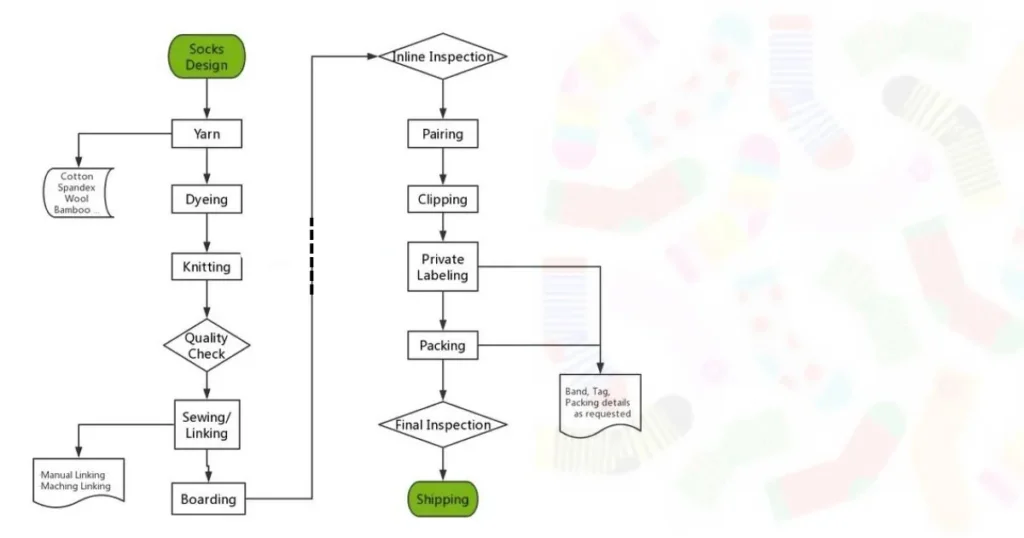
Let’s discuss the complete sock manufacturing process methodically, no fluff, just facts.
- Sock Design/Pattern
- Yarn Selection
- Knitting
- Linking/Seaming/Toe Closing
- Dying/Bleaching/Washing
- Boarding/Pressing
- Quality Check
- Branding, Labelling, and Packaging
- Metal Detection
- Finished Goods Store (FGS)
- Shipping
Step 1: Socks Manufacturing Process Starts with the Design
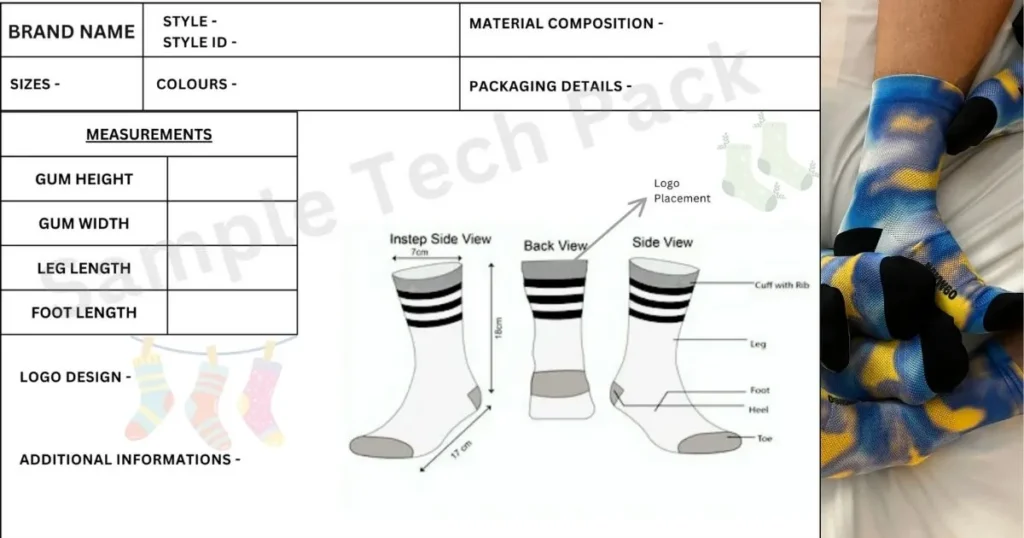
Every sock starts with an idea. Someone sketches a pattern. Colours, styles, and sizes are all mapped out. Designers use CAD (Computer-Aided Design) software to bring their visions to life.
They consider
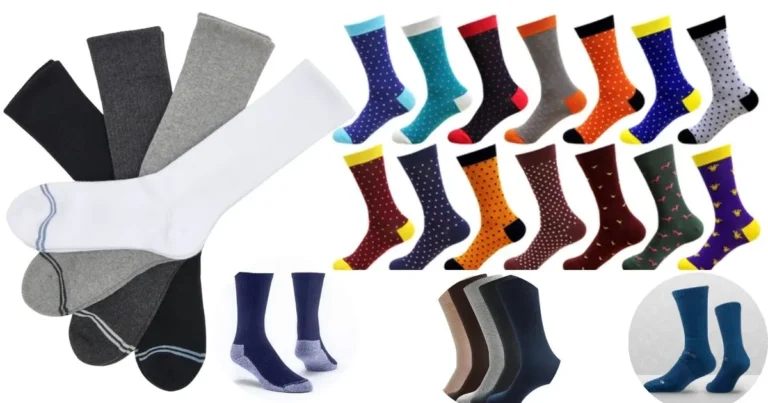
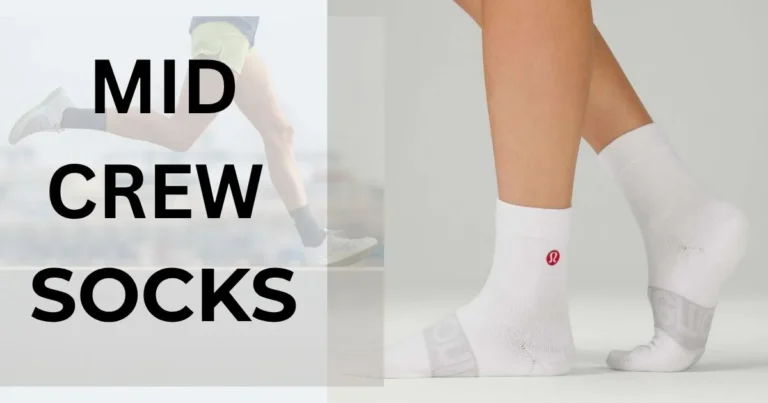
- Style (Liner, No-Show, Low-cut, Ankle, Crew, Knee-high, OTC)
- Yarn Type (100% Cotton, PC 50:50, Nylon, Polyester, Other Blend)
- Function (Casual, Workwear, Atheltic, Dress)
- Target audience (Men, Women, Kids)
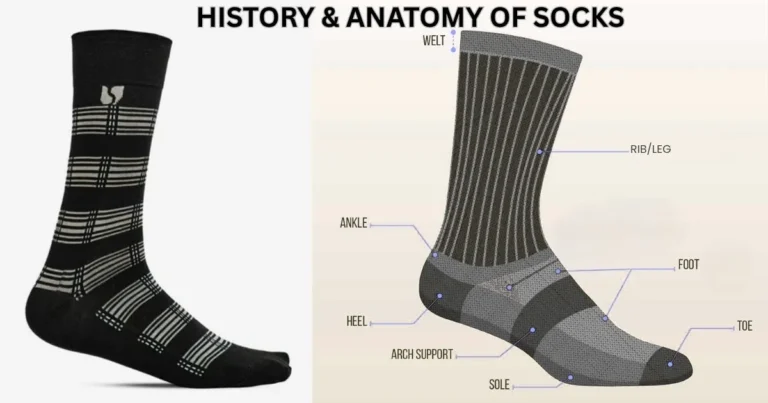
- Size Specs (Leg Length, Foot Length, Welt Length, width)
- Measurement Method (Back of Heel, Center Back of Heel)
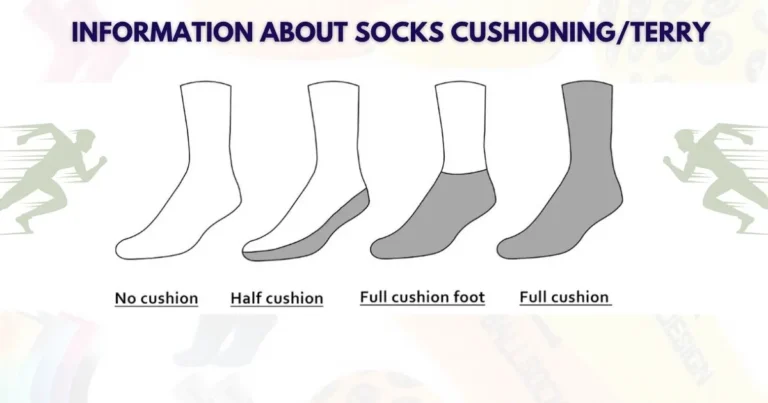
- Fabrication (Flat Knit, Half Cushioned, Full Cushioned, Heel Toe Cushioned)
- Needle Count / Resource Group (84N, 108N, 132N, 144N, 200N)
- Socks pattern and colours details
Designs go to the product development team. They check if it’s even possible to knit. Some patterns look good on paper but not on a sock.
Step 2: Choosing Yarn—Where Quality Is Born
This is where most brands cut corners. Great socks start with great yarn. The sock manufacturing process uses different yarns for different needs:
Cotton: soft and breathable
Bamboo fiber: eco-friendly, antibacterial
Wool: warm and moisture-wicking
Nylon/Polyester/Spandex: elasticity and durability
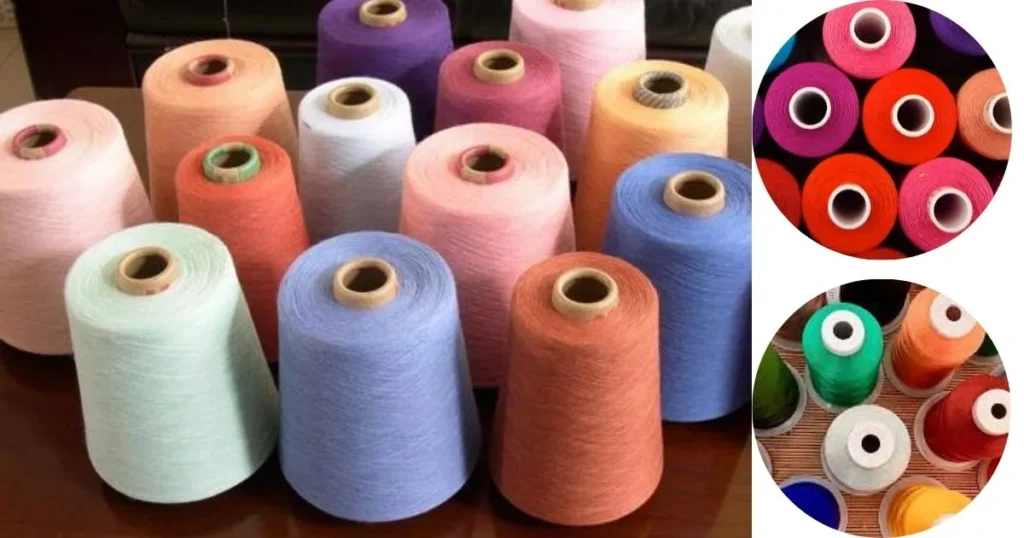
Yarn is bought in kilos. Each batch is quality tested. No weak threads. No chemical overloads. Factories now prefer OEKO-TEX-certified yarn. Safe. Sustainable. That’s what people want.
Dyeing the Yarn – Colour with Purpose
No colour? No brand. Colour is identity. The yarns are dyed using two methods:
Stock dyeing (before knitting) Stock dyeing offers better penetration.
Piece dyeing (after knitting) Piece dyeing is faster and cheaper. Big brands stick to stock dyeing for quality. Dyes must meet global standards:
- AZO-free
- Pantone-matched
- Fade-resistant
Every color batch gets lab-tested. Consistency is key. Red should be red — every time.
Step 3: Knitting
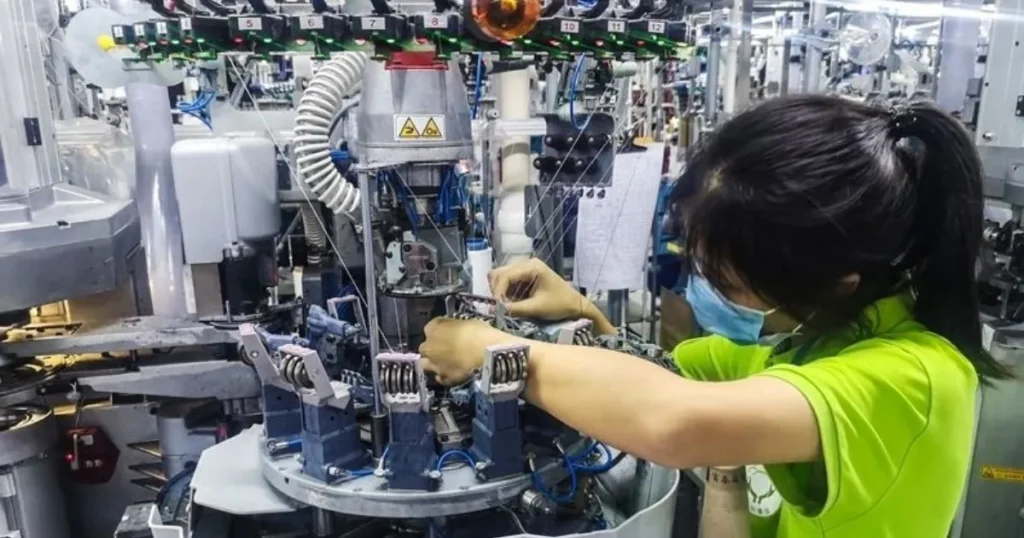
This is where yarn turns into shape. Using circular knitting machines. These machines have needles. Needle count ranges from 56N to 200N and below are some examples.
- 84N = Heavyweight, Work socks
- 96N = Mostly for kids sock
- 108N = Workwear socks
- 144N = Standard casual, athletic socks
- 168N+ = Premium, finer socks
The socks manufacturing process depends heavily on knitting, but not just any knitting. At the heart of every sock is a fabric made from yarn loops locking into each other. This is what gives socks their stretch, strength, and comfort.
Most socks use weft knitting. That means the yarn loops run horizontally, side to side, like a ladder laid on its side. There’s another kind too warp knitting, where yarns run vertically, top to bottom. But that’s less common for socks.
Key Knitting Terms You Should Know:
- Course: A row of loops across the width of a fabric.
- Wale: A column of loops along with the length of the fabric.
- Stitch: Each column of loops along the length of the fabric
- Stitch Density: Number of stitches in a given space.
- Gauge: How tight or loose the knit is (basically, the sock’s texture and quality)
Knitting socks isn’t done by hand anymore. Modern circular knitting machines do the heavy lifting. These machines are beasts spinning, feeding, and looping yarn with precision.
Every machine has its own parts. These machines can knit hundreds of socks a day, fast, accurately, and on-brand. They follow your digital designs like a blueprint. Every detail: heel shape, toe type, color bands, it’s all pre-programmed. That’s how brands ensure every sock looks and feels the same.
Step 4: Linking and Seaming
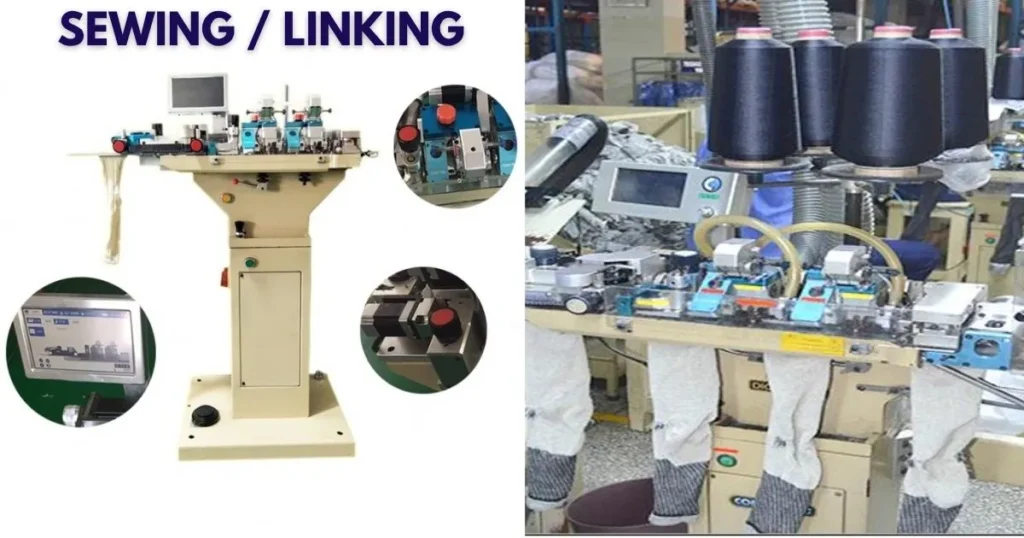
Once the sock is knit, there’s one critical step left: closing the toe. Some machines can do this automatically. But many still rely on manual or semi-automatic linking.
And here’s where the human touch makes all the difference. Get it wrong? You end up with thick, bulky seams. Those seams rub. They irritate. They cause blisters. But when linking is done right, especially by hand, it’s invisible. Smooth. Seamless. Comfortable. You don’t feel it. You just enjoy the fit. That’s why hand-linked socks are considered premium. They take more time. But the result? Totally worth it.
Step 5: Dyeing/Bleaching/Washing
Before socks look good, they need to feel clean and look bold.
This is where color meets cleanliness. First up — dyeing.
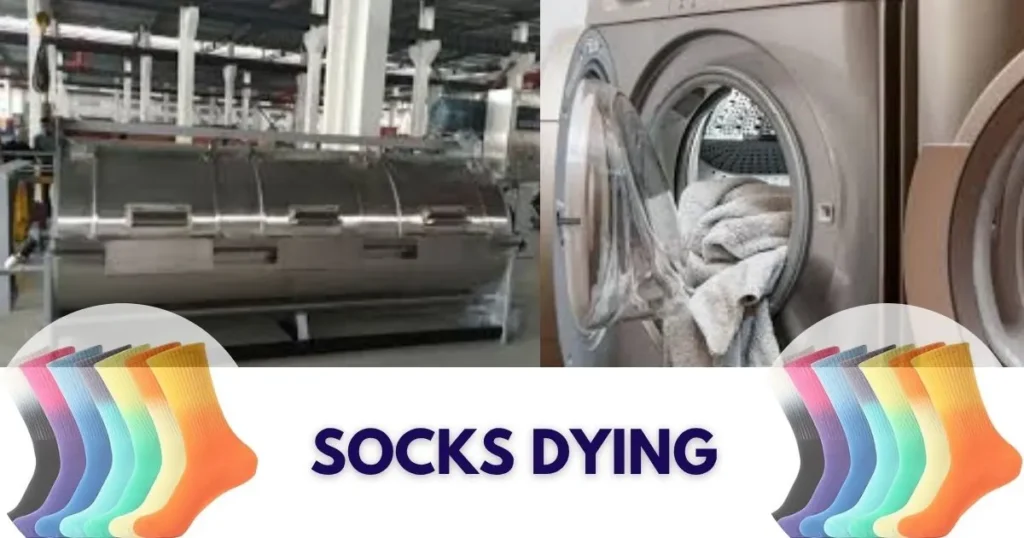
The finished socks are dyed in bulk tanks with precise formulas. We’re talking Pantone-matched colors. Want bold red? Deep navy? Soft beige? It’s all calculated to the drop. There is a main dyeing method
Piece dyeing: where the socks are dyed after they’re made
Piece dyeing is faster and cheaper, common for bulk or fast fashion runs.
Next, we’ve got bleaching. Bleaching is used when socks need to be super white, like for medical or sports. It strips natural yellows from cotton, giving a crisp, clean base. But here’s the catch — bleaching has to be controlled. Too strong? The fibers weaken. Too light? The white looks dull.
Now comes washing. Every sock goes through a wash cycle after knitting. This isn’t for fun — it’s crucial. Washing removes:
- Machine oils
- Loose fibers
- Dirt from handling
- Chemical residues from dyeing
It also softens the fabric. Makes the sock feel fresh, clean, and ready for press. Some manufacturers use enzyme washes to enhance softness and reduce pilling.
Others go fully eco — using recycled water systems and biodegradable detergents. Why does it matter? Because this step sets the tone for quality. Soft. Clean. Color-true. Ready for wear. That’s the power of dyeing, bleaching, and washing done right.
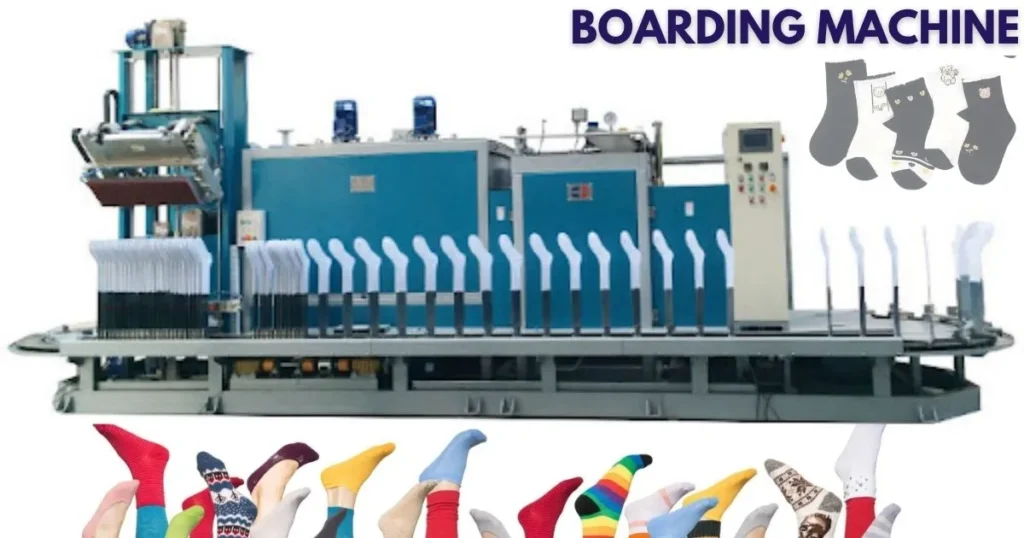
Step 6: Boarding/Pressing Setting the Shape
Next comes boarding, a fancy word for shaping. Each sock is placed on a metal foot mould, then steamed under high heat.
This locks in the size, smooths out wrinkles, and gives the sock that crisp, clean finish.
It’s how you get socks that look polished and feel ready to wear right out of the package. Every pair is perfectly shaped — no creases, weird folds, just that perfect retail-ready look.
Step 7: Quality Control in the Socks Manufacturing Process
Factories don’t play around here. Each pair goes through inspection in every stage of the manufacturing process. They check:
- Size (Length and width)
- Pattern/Design
- Stitching
- Holes
- Color consistency
- Print alignment
Every single sock gets inspected — no shortcuts. They check the basics: length, width, and stitch integrity. Then they get into the details: any holes, colour mismatches, or crooked prints.
Nothing gets through unless it’s right. If a pair fails? It’s either recycled or downgraded. If it passes? It moves on to packaging. That’s how brands protect their reputation, one perfect pair at a time. Defective pairs? Recycled or downgraded. Good pairs? Move to packing.

Step 8: Branding, Labelling, and Packaging
Now comes the branding, where your socks turn into your product. This is the marketing moment. Custom tags, woven logos, and brand bands are added to each pair. If you’re a private label client, this is where your identity gets stamped in:
- Woven-in logos for a permanent mark
- Printed tags for product details
- Custom Tags (Band Roll, Header Card, Cascade, Gift Box)
- Barcode stickers for retail tracking (UPC, RFID)
And there’s a big shift happening: eco-friendly packaging is taking over. Think recycled paper sleeves. Think compostable polybags.
Why? Because packaging isn’t just about protection. It shapes how your product is perceived. Better packaging = higher value. Presentation sells. Great packaging makes socks look premium. And people happily pay more for that.
Upon completion of the sock packaging process, a thorough final inspection is conducted to verify compliance with all quality standards. This critical step ensures the product is free of defects and fully prepared for shipment.

Step 9: Metal Detection
Before socks leave the factory, they go through another gate: metal detection. Why? Because during production, with all the needles, machines, and moving parts, tiny metal fragments can break off.
It’s rare, but it happens. A metal detector is only as good as its calibration. Before daily production starts, the machine is tested using standard metal test pieces like iron, stainless steel, and non-ferrous metals.
Each one is passed through the system to ensure the detector catches even the tiniest metal fragments. If it misses? Production halts. The machine gets recalibrated until it’s spot on. And it’s not a one-time thing. This calibration process is repeated every 2 to 4 hours during the every production shift. Why?
Because accuracy can drift over time, and even one missed fragment could ruin a batch. Consistent checks = consistent safety.
So every packaged pair passes through a metal detector. If anything’s found? That package is pulled immediately. No compromises. It’s a simple step, but it protects your brand, your customer, and your reputation.
That’s how top-tier manufacturers guarantee every pair of socks is 100% metal-free and retail-ready.

Step 10: Finished Goods Store (FGS)
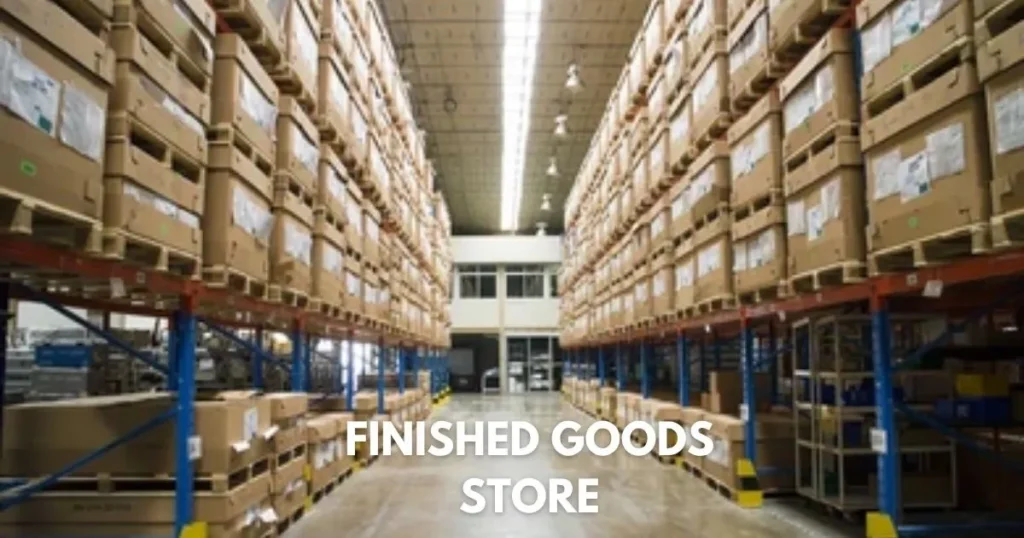
Once the socks are fully inspected, packed, and passed through metal detection, they’re moved to the Finished Goods Store — or FGS.
Think of it as the final checkpoint before delivery.In FGS, every carton is:
- Labeled clearly with size, style, and color
- Stacked in a controlled environment (clean, dry, and pest-free)
- Logged into inventory systems for real-time tracking
It’s not just storage — it’s organized, traceable, and secure.
Step 11: Shipping — From Factory to Foot
Now it’s go time. Once the socks pass inspection, they’re boxed up and sorted by size, colour, and SKU. From here, socks are ready for dispatch, whether it’s to a retailer’s warehouse, a distribution center, or direct to customers.
Then it’s logistics time. Some shipments fly. Others go by sea. Many hit the road. Whether it’s a local retailer or a global distributor, each pair is destined for a location.
Warehouses. Store shelves. Or straight to your customer’s door. The socks manufacturing process finishes just like it started — with people. And ultimately, with their feet.

What Materials Are Used in the Socks Manufacturing Process?
Here’s a breakdown of common materials:
| Material | Purpose | Features |
| Cotton | Everyday wear | Soft, breathable, durable |
| Bamboo | Eco-conscious markets | Antibacterial, moisture-wicking |
| Wool | Winter & outdoor use | Warm, odour-resistant |
| Nylon/Spandex | Sports & compression | Stretchy, form-fitting |
| Polyester | Budget & fast fashion | Lightweight, quick-drying |
| Polyester Covered Spandex | Excellent elasticity with moderate softness. | Slightly more cost-effective for mass production. |
| Nylon Covered Spandex | Superior stretch with a smoother, silkier feel. | Typically higher cost but softer luxury finish. |
How Long Does the Socks Manufacturing Process Take?
It depends on order quantiy, material nature (local/imported) and socks design. But here’s a general timelines with local material, these can vary depending on the specfic product.
- Design/Trail Runs: 1–2 days
- Yarn sourcing: 15–25 days
- Knitting & Linking: 7–10 days
- Washing & boarding: 3-5 day
- QC and packaging: 3–5 days
Total time: 35–50 working days for a standard bulk order. Rush orders? Possible. But quality always takes time.
FAQs
Conclusion:
Every sock tells a story. Behind the scenes, it’s hard work.
Real materials. Real machines. Real people. The socks manufacturing process is more than production. It’s craft. So next time you slip on a pair? Think of the hundreds of hands and machines that made it happen. Respect the process.
Not all socks are created equal. If you’re a brand looking for premium sock manufacturing? Partner with people who obsess over quality. From yarn to your customer’s feet — every step matters. Let’s make better socks. Together.


You’ve explained the sock manufacturing process very clearly and thoroughly—great job! Your understanding of the steps involved is evident and much appreciated. Keep up the excellent work and continue building on this strong foundation. Looking forward to more insights from you!
Thank you for the acknowledgement, keep visiting us for more updates.
The explanation is very easy to follow, enhanced by clear and well-designed graphic images that illustrate each stage of the process.
The visuals make the information more engaging and help in understanding the entire sock manufacturing journey.