
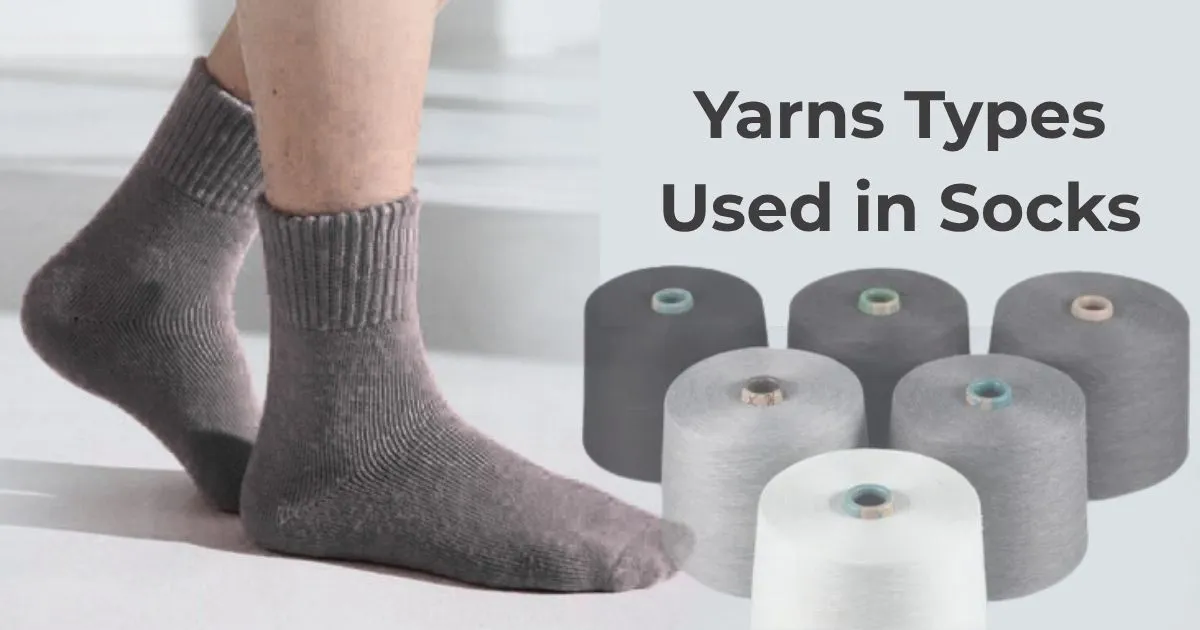
Socks Materials
The Ultimate Guide to Socks Materials: What Your Feet Are Really Wearing
Ever wondered what makes a sock feel soft, stretch just right, or hold its shape all day? It’s not magic—it’s materials. The materials of socks are more than just “fabric.”
Each part of the sock is carefully engineered using different types of yarns. From the soft cotton you feel on your skin to the hidden elastic that keeps your sock from slipping down, every thread has a purpose.
When it comes to comfort, performance, and durability, the socks’ material makes all the difference. Whether you’re gearing up for a morning run, bundling up for winter, or just lounging at home, the fabric your socks are made from affects how your feet feel all day.
From breathable cotton and moisture-wicking bamboo to insulating wool blends and stretchy synthetics, each material brings its own set of benefits. Choosing the right sock material is more than just softness; it’s about matching the fabric to your lifestyle, climate, and requirements.
Let’s break down what socks are really made of—so next time you slip a pair on, you’ll know exactly what’s hugging your feet.
Components of Socks: What’s Inside Your Everyday Essential
Socks aren’t made with just one type of yarn. In fact, a single pair might include 4 or more different types—each used in different zones for specific functions.
Here’s how they’re structured:
- Main/Body Yarn: [Cotton, PC, Bamboo, Wool, Acrylic, Marl Yarn, Coolmax, Nylon, Polyester]
- Plaiting Yarn: [Polyester, Nylon, Polyester-covered lycra, Nylon-covered lycra]
- Elastic Yarn: [Polyester-covered elastic, Nylon-covered elastic]
- Motif/Pattern Yarn: [Polyester, Nylon]
Let’s unpack each one.
1. Main Yarn: The Backbone of the Sock
The main yarn is exactly what it sounds like—it forms the body of the sock. This is the yarn that touches your skin and builds the base fabric. Comfort, moisture control, and durability largely depend on this component. The main yarn defines the “feel” of the sock—soft, cool, warm, smooth. So when you say “these socks feel amazing,” you’re talking about the main yarn.
Common Main/Body Yarns:
Cotton:
Cotton is soft, breathable, and perfect for everyday socks. It’s gentle on sensitive skin and absorbs moisture well but dries slowly. Often blended with polyester or elastane for better stretch and durability, cotton remains a top pick for comfort and breathability.

Bamboo Yarn:
Bamboo yarn feels silky-smooth, breathable, and eco-friendly. It wicks moisture, resists odor, and maintains a cool temperature, making it ideal for hot weather or sensitive skin. Despite being chemically processed, bamboo retains its natural softness and antibacterial qualities.

PC Blend (Poly-Cotton):
The PC blend, made from 50% polyester and 50% cotton, is a balanced and practical fabric used in many everyday socks. The cotton-poly ratio may vary, but it always offers breathability, strength, and faster drying. Great for everyday wear with less shrinkage and longer-lasting color.
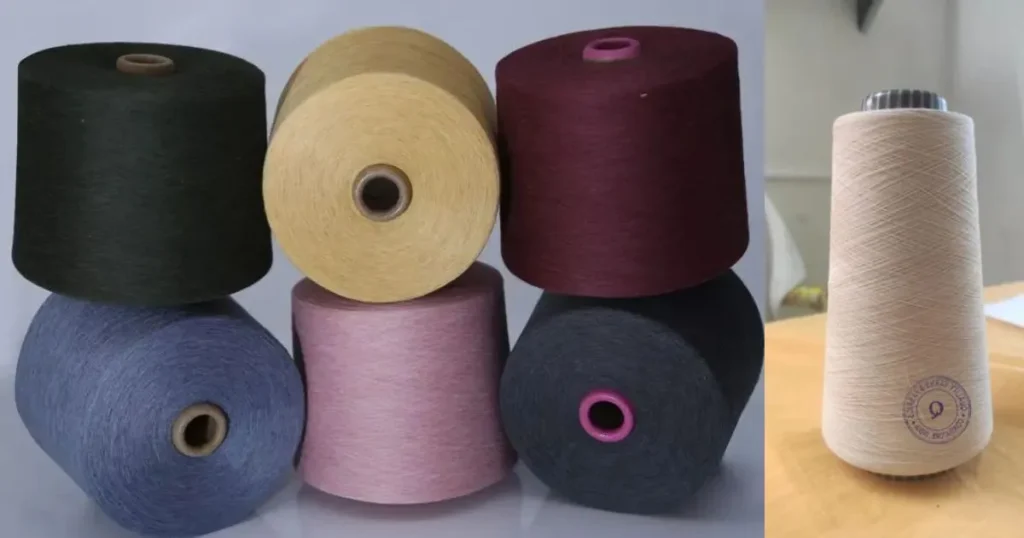
Melange Yarn:
Melange yarn blends pre-dyed fibers before spinning, resulting in a rich, mixed-color effect. This yarn is ideal for trendy, high-end socks with a subtle, stylish finish. It’s all about aesthetics without sacrificing comfort. Melanges can be made from 100% cotton or blended in various ratios with polyester, viscose, and other fibers, depending on the desired texture and performance.

Marl/Twisting Yarn:
Marl yarn is created by twisting two different colored yarns together (often with different TPM), producing a marbled or heathered look. It’s mostly used in casual and fashion socks for added texture and depth. Besides style, it also gives a soft, stretchy feel. The TPM (Twists Per Meter) or TPI (Twists Per Inch) affects how tightly the yarns are twisted, influencing the final texture, stretch, and visual contrast in the sock.

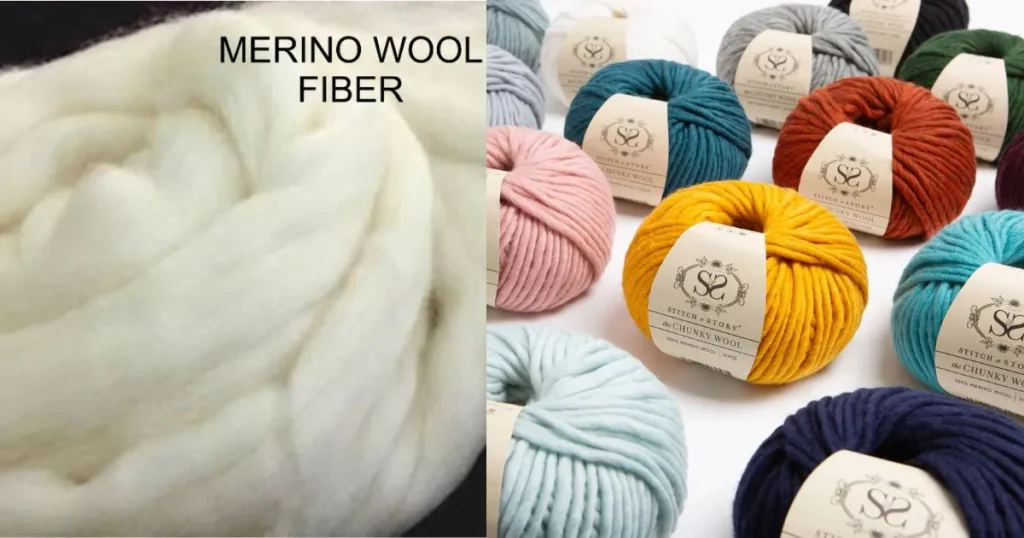
Wool Blends:
Wool blends offer warmth, odor resistance, and insulation—even when wet. Mixed with nylon, polyester, acrylic, or spandex, they gain durability and stretch. Merino wool blends are popular in cold-weather and performance socks for their soft, itch-free feel.
Acrylic Blends:
Acrylic mimics wool’s warmth but is lighter and more affordable. It is used in fuzzy and thermal socks due to its softness and color retention. It is more comfortable when blended with polyester or wool, but it can trap heat and odors.

Coolmax:
Coolmax is a high-performance polyester yarn designed to wick moisture from the skin. It keeps your feet dry and cool even during strenuous activity, making it ideal for athletic socks. It is lightweight and breathable, making it ideal for active wear.

Nylon:
Nylon is a strong, flexible synthetic fiber that adds durability, smoothness, and shape retention to socks. It’s often used in plaiting or blended with other yarns to enhance stretch and lifespan. It helps socks stay snug and resist wear and tear.
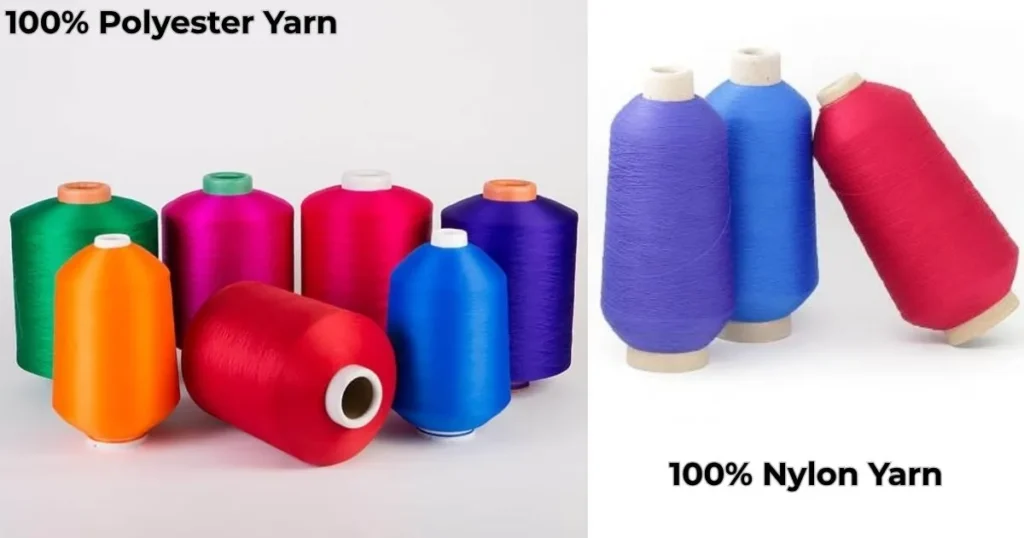
Polyester:
Polyester is lightweight, quick to dry, and resistant to wrinkles and shrinking. It is widely used in sports, casual, and work socks due to its strength and vibrant color retention. When combined, it enhances both comfort and durability.
2. Plaiting Yarns: The Hidden Strength
Stretch your sock a little—you’ll notice some horizontal yarns hidden beneath the surface. That’s plaiting yarn.
Plaiting yarn sits under the main yarn and supports its shape, durability, and stretch recovery. It’s not always visible, but it does a lot of heavy lifting in the background.
Common Plaiting Yarns:
Polyester:
Used as a plaiting yarn to add structure and support without adding bulk. It strengthens the sock and allows it to retain its shape after repeated wear and washing.
Nylon:
Known for its durability and smooth texture, nylon in plaiting yarn helps the sock hold its form. It also improves elasticity and makes the sock more resistant to wear and tear. Expensive as compared to polyester.
Polyester-Covered Lycra:
This yarn combines firm stretch with structural support. The polyester layer adds strength, while the Lycra core gives the sock a snug, form-fitting feel that bounces back after stretching.
Nylon-Covered Lycra:
Softer and stretchier than the polyester version, this blend enhances comfort while maintaining elasticity. It helps socks stay in place and prevents sagging during the day. Expensive as compared to polyester-covered lycra.
Why It Matters: Plaiting yarn helps the sock retain shape after multiple wears and washes. Without it, socks would feel baggy in no time.

3. Elastic Yarns: The Grip Master
Think about the top of your sock—the ribbed part that hugs your leg—or the arch area in performance socks. That’s where elastic yarn comes in.
Elastic yarn ensures the sock stays in place, gives support, and doesn’t sag. It’s essential for function, especially in sports or medical socks.
Common Elastic Yarns:
Polyester-Covered Elastic:
This yarn offers firm elasticity, helping the sock fit snugly without feeling tight. The polyester shell adds structure, while the Lycra core provides controlled stretch—ideal for comfort and support that doesn’t restrict circulation.
Nylon-Covered Elastic:
Combines softness with strength, offering great stretch and recovery. The nylon exterior increases durability, while the Lycra inside keeps the sock flexible and helps it bounce back to shape after each wear.
Used In:
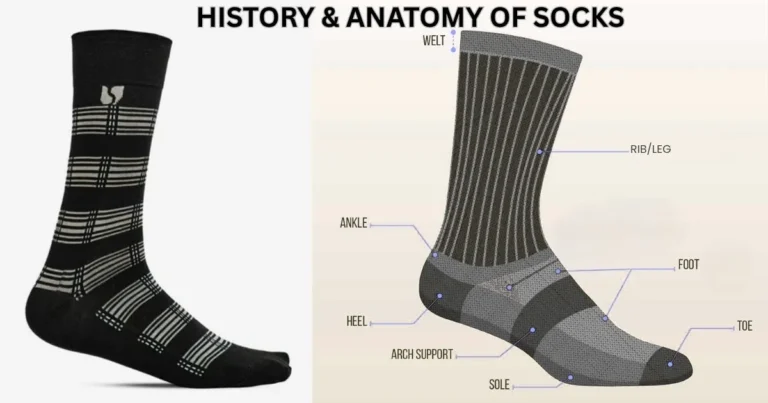
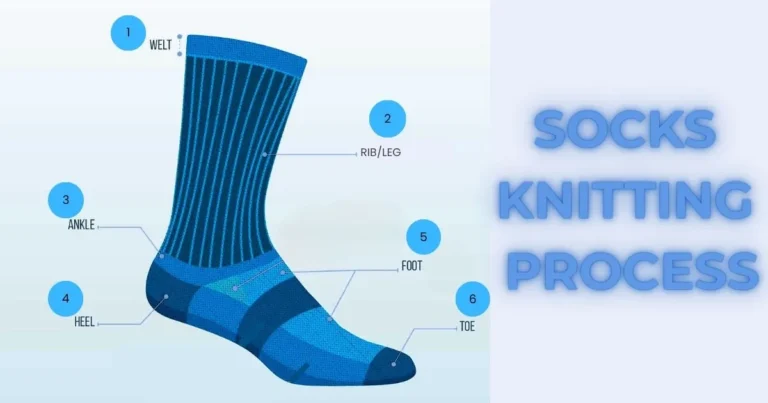
- Welt (top band)
- Rib zones (Leg area)
- Arch support (Foot area)
Elastic yarn is what keeps your socks from sliding into your shoes. It’s the reason they stay up—comfortably.

4. Motif/Pattern Yarns: Where Style Comes to Life
Ever noticed cute prints, colorful patterns, or logos on socks? That’s the work of motif or pattern yarn.
While not essential for function, this yarn brings style and personality to your socks. Based on the design, different yarns are selected to ensure color clarity and stitch definition.
Common Motif/Pattern Yarns:
Polyester:
Chosen for its ability to hold bright colors and sharp patterns. It dyes easily and retains vibrant and clean designs even after multiple washes. Recommended for logos or less complex patterns as it’s less expensive as compared to nylon.
Nylon:
Preferred for its smooth texture, strength, and flexibility. It blends seamlessly with other yarns, making it ideal for detailed designs and increasing the durability of socks. Recommended for complex patterns as it’s expensive as compared to polyester.
Used Based on:
- Customer or brand requirements
- Color complexity
- Pattern size

Choosing the Right Socks Material
Not all socks are made equal. When buying, keep this in mind:
| Use Case | Ideal Materials |
| Everyday | Cotton, Poly-Cotton, Nylon blends |
| Athletic | Coolmax, Polyester, Nylon Lycra |
| Winter | Heavier cotton, wool & acrylic blends |
| Workwear | Durable Polyester + Nylon + Elastic combo |
| Fashion | Cotton, Mélange, Marl yarns with bright motif threads |
Not all socks are made equal. When buying, keep this in mind:Always check the label—materials matter more than you think.
Final Words
Behind every comfortable, stylish, or high-performance sock is a careful mix of yarns—each playing a specific role. From cotton’s softness to Lycra’s grip and motif yarn’s flair, these materials combine to give you a product that’s not just wearable but dependable. So the next time you shop for socks, look beyond the colors. Think about the yarns—because what’s inside your sock makes all the difference.


Really good information, keep up the good work.
Thank you! Glad you found it helpful—more sock updates coming soon!
Excellent blog post. I certainly appreciate this website.
Keep it up!