Cotton Socks
Let’s be real… Not every sock needs technology. Sometimes, simple wins. And cotton socks? They have been winning for centuries. Whether you are hitting the gym, relaxing at home or just trying to avoid burning your feet, cotton socks are still a go-to. But are they all hype? Are they good for sweating? What types are out there?
What Is Cotton?
Cotton is a natural fiber derived from the fluffy seed hairs of the cotton plant (genus Gossypium). It’s soft, breathable, and among the most popular fabrics worldwide, commonly used in clothing, bedding and socks.
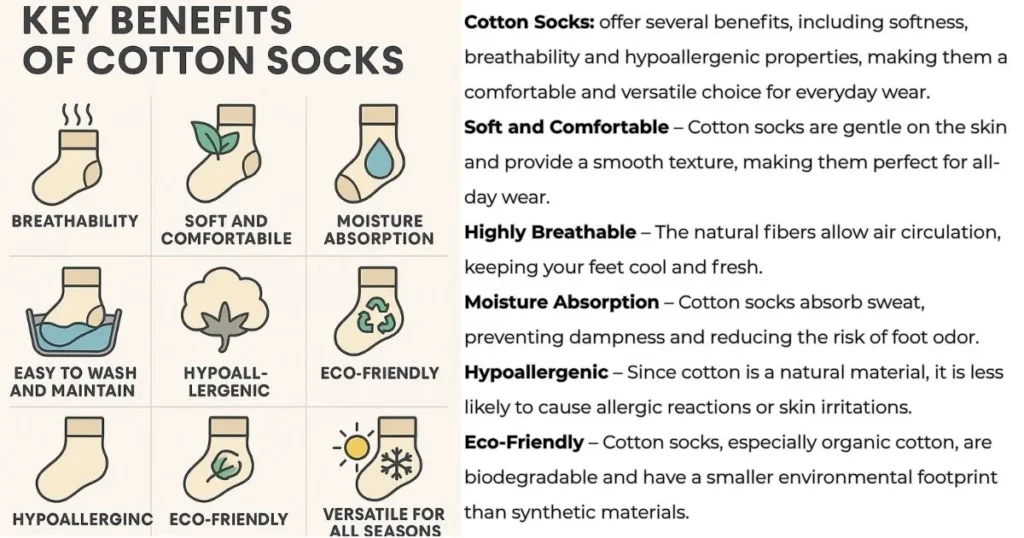
Cotton’s softness, breathability and high absorbency make it comfortable for daily wear. It’s hypoallergenic, making it suitable for sensitive skin and it dyes well, making it ideal for colorful or patterned socks.
However, it can shrink with high heat and has limited stretch unless blended with other fibers. As a natural, biodegradable and eco-friendly material—especially when organically cultivated—cotton offers sustainable benefits.
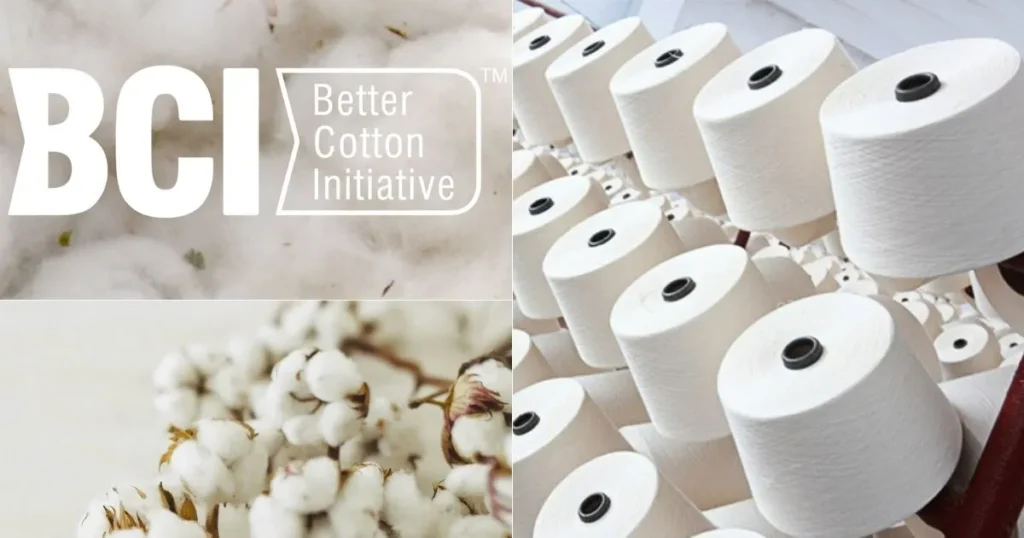
BCI cotton (Better Cotton Initiative) is sustainably grown cotton that uses less water, fewer chemicals and promotes fair labor practices. It’s not organic, but it’s a more responsible choice than conventional cotton. BCI helps farmers grow cotton in a way that’s better for the environment and the people who produce it.
Types of Cotton (Used in Socks and Apparel)
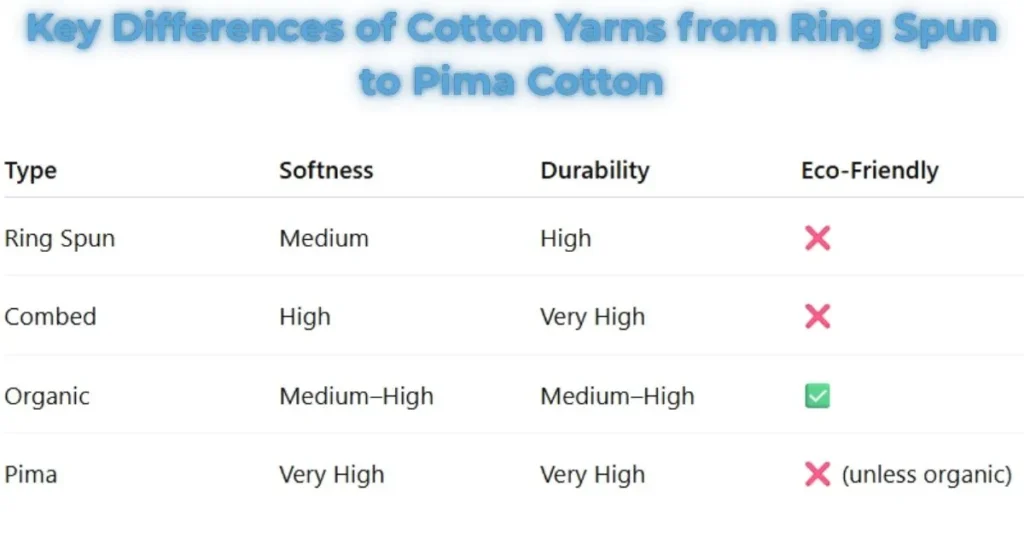
1. Combed Cotton
- Brushed to remove short fibers
- Softer, smoother, more durable
- Popular in premium socks
2. Organic Cotton
- Grown without pesticides or chemicals
- Eco-friendly and skin-safe
- Usually used in sustainable or ethical brands
3. Pima Cotton
- Long-staple cotton
- Ultra-soft, strong, and luxurious
- Similar to Egyptian cotton
4. Ring-Spun Cotton
- Twisted and thinned for strength
- Smoother and more refined
- Often used in t-shirts and socks
What Are Cotton Socks?
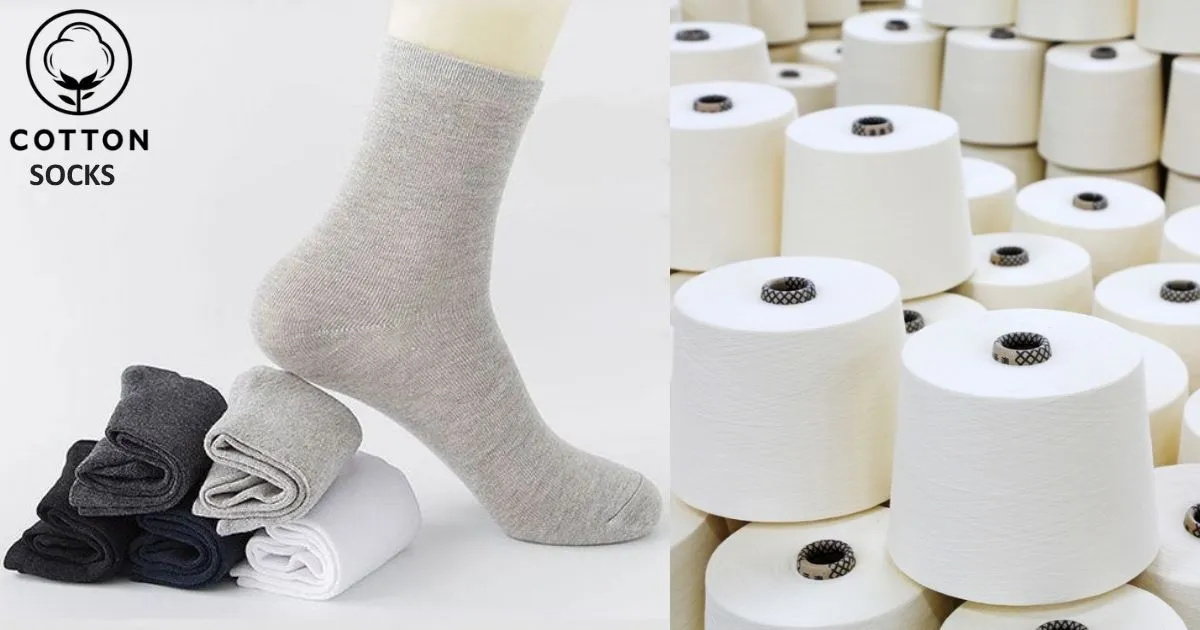
Cotton socks are socks made primarily from cotton fibers. Soft, breathable and gentle on the skin—that’s their claim to fame. They can be:
- 100% cotton
- Cotton blends (PC & CVC)
Why blends? Because pure cotton lacks elasticity and durability.
Most cotton socks are blended with polyester, nylon, or spandex to enhance stretch and prolong their lifespan.
Best Uses for Cotton Socks
1. Casual Everyday Wear
This is where cotton socks shine. They’re soft, breathable, and easy on the feet—exactly what you want when you’re running errands, lounging at home or wearing sneakers with jeans. No high-tech features. No extra fluff. Just reliable, all-day comfort.
2. Light-Duty Work Socks
If your job keeps you on your feet but doesn’t involve extreme movement or sweat (think retail, office work, teaching), cotton socks are a solid pick. They keep your feet comfortable through long hours of walking or standing, without making them overheat.
3. Fashion Socks
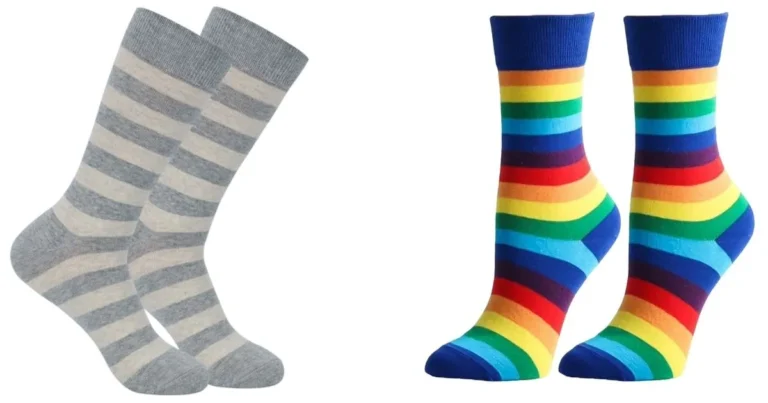
Cotton holds dye like a champ, which means brands can go wild with colors, patterns, and prints. Whether it’s polka dots, bold stripes or holiday-themed designs, cotton socks deliver vibrant style without the scratchy feel of synthetic materials. Bonus: They’re breathable, so you stay cool and stylish.
4. Light Sports & Walking
While pure cotton isn’t great for intense workouts (it traps moisture), cotton blends with polyester or spandex can work well for light activity. Think morning walks, yoga or casual bike rides. You get the softness of cotton with just enough stretch and moisture control to keep things comfortable—without soaking your socks.
Popular Types of Cotton Socks
Let’s break down the most common types of cotton socks—and when to wear each one:
1. No-Show Cotton Socks
These are the invisible champs. You wear them with low-cut shoes like loafers or trainers, and they disappear below the shoe line. They’re lightweight, breathable and ideal for hot weather when you want that barefoot look—without sweaty feet.
2. Ankle Cotton Socks
The go-to for daily use. These socks cover your feet and just reach above the ankle bone. They’re ideal for walking, lounging and light workouts. Soft, simple, and easy to wear with almost any shoe.
3. Crew Cotton Socks
The classic sock. Crew socks rise mid-calf and work with sneakers, boots, or even Crocs. They’re great for everyday wear, layering in cooler weather or just rocking that retro sporty vibe.
4. Dress Cotton Socks
These socks are thinner and sleeker than standard ones, making them easy to slide into formal shoes. Typically dark, solid-colored and crafted from fine cotton, they provide a polished appearance. Ideal for work, weddings, or any business casual occasion.
5. Cushioned Cotton Socks
These are your comfort kings. Made with extra padding in the heel and sole, cushioned cotton socks are perfect if you’re on your feet all day, walking long distances running or just want extra softness underfoot. Great for teachers, nurses, or anyone doing light-duty labor.
Cotton vs Other Materials
| Material | Pros | Cons |
| Cotton | Soft, breathable, cheap | Soaks moisture, shrinks |
| Polyester | Durable, quick-dry | Less breathable |
| Wool | Warm, odor-resistant | Expensive, can itch |
| Bamboo | Soft, anti-bacterial | Less durable |
| Nylon/Spandex | Stretch, shape-holding | Usually used in blends |
Top Brands That Do Cotton Right
These brands know how to use cotton without making your feet suffer:
- Hanes & Target: Budget-friendly. Basic cotton socks that get the job done.
- Bombas: Stylish, cushioned, and a give-back model.
- Gold Toe: Great for dress socks and business wear.
- Nike: Everyday classics. No fuss, no hype.
- Uniqlo: Affordable and surprisingly premium for the price.
Cotton’s Downsides
Let’s not sugarcoat it. Cotton’s got some flaws:
| Problem | Why It Matters |
| Holds moisture | Cotton soaks up sweat and stays wet. Not great for long runs. |
| Shrinks in the dryer | Unless pre-shrunk, cotton socks can tighten up after washing. |
| Less durable alone | Pure cotton can wear out faster than synthetic blends. |
So yeah—don’t wear 100% cotton socks to the gym. Unless you like blisters.
How to Take Care of Cotton Socks
You want them to last? Do this:
- Wash in cold water: Prevents shrinking and fading
- Avoid high heat drying: Air-dry or use low heat
- Turn inside out: Keeps colors fresh and fibres smooth
Bonus tip: Use mesh laundry bags to prevent sock loss and fuzz pilling.
Pros and Cons of Cotton Socks
| Pros | Cons |
| Soft and breathable | Holds sweat |
| Natural fiber | Shrinks in heat |
| Affordable | Not ideal for sports |
| Gentle on skin | Less durable alone |
FAQs
Final Words
Cotton socks are soft, breathable, easy to wear, and work with just about everything—from your office loafers to weekend sneakers. Whether you’re chilling at home, running errands or dressing up, there’s a cotton sock for the job. And with so many styles and blends out there, you don’t have to choose between comfort and performance.
Cotton socks are simple—but that’s their power.