

Compression socks
Your secret weapon for improved health and performance
Compression socks have evolved from a medical accessory to a game changer for athletes, travelers and everyday wellness seekers. But why are they so popular?
Let’s look at the science, benefits and recommendations for selecting the best pair. Do your legs feel cold, swollen and achy? You are not alone. Millions deal with leg pain or swelling daily. It’s miserable when your legs feel heavy and tired, or worse, you are worried about blood clots like DVT.
Compression socks can fix this fast. They hug your legs, boost blood flow and cut swelling. This guide breaks down everything you need to know about compression socks. Pick the right pair. Feel better today.
Your Options for Compression Stockings
Not sure which to pick? If you’re buying for medical reasons, like DVT or post-surgery care, your doctor will measure your legs to ensure a perfect fit and prescribe the right pressure.
For everyday activities like travel or exercise, go for knee-high socks with moderate compression for comfort and simplicity. Here’s a handy tip: Choose pairs with breathable materials or seamless designs to keep your legs feeling great all day. There are two main types, each with a specific purpose:
Graduated Compression Socks:
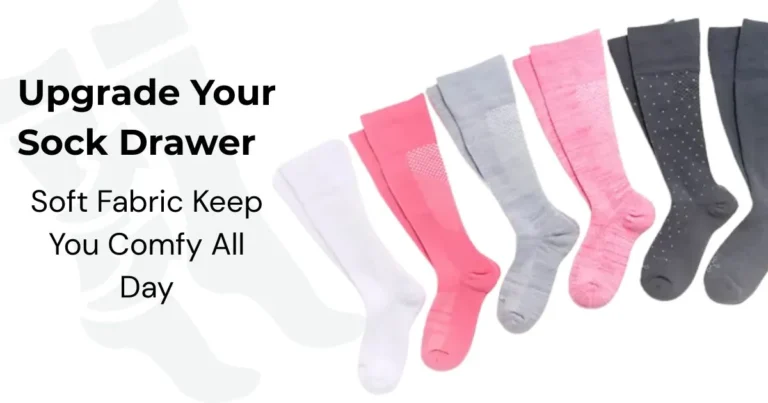
These are the most popular, with the tightest squeeze at the ankle that eases up toward the knee or thigh. They’re versatile, coming in various pressures for everything from marathon running to managing varicose veins. Plus, they now come in fun colors and patterns to match your vibe.
Anti-Embolism (TED) Hose:
Designed for hospital use, these keep blood flowing when you’re bedridden or recovering from surgery. They focus on preventing clots and reducing severe swelling, but they’re less common for daily wear.
How Compression Socks Work
Compression socks provide gentle, graduated pressure to your legs and ankles, increasing blood flow by:
Increasing circulation:
By applying consistent gradient pressure, compression socks help veins overcome gravity and return deoxygenated blood to the heart. This minimizes venous pooling, a common cause of heaviness and varicose veins. Improved circulation ensures that tissues receive sufficient oxygen and nutrients while effectively eliminating metabolic waste.
This mechanism is ideal for people who lead sedentary lifestyles, travel frequently, or are recovering from surgery because it reduces the risk of blood clots and chronic venous insufficiency.
Reduce swelling:
The socks’ targeted compression prevents interstitial fluid from accumulating in soft tissues, a condition known as oedema. By reinforcing the lymphatic system’s ability to drain excess fluid, they mitigate swelling caused by prolonged standing, air travel, or medical conditions like lymphedema.
To maintain comfort and avoid “traveler’s thrombosis,” use 15-20 mmHg compression on long-haul flights or desk-bound workdays.
Supporting muscles:
Compression socks help to stabilize muscle tissue during physical activity, reducing the oscillations that cause micro-tears and fatigue. This minimizes delayed-onset muscle soreness (DOMS) and accelerates recovery.
Athletes benefit from improved proprioception and reduced lactic acid buildup, while regular users experience less leg cramping. Studies show compression garments can enhance endurance by up to 10% during high-intensity activities.

Who Should Wear Compression Socks?
Athletes: They are used by runners, cyclists and gymgoers to improve performance and speed up recovery. Athletes from various disciplines, such as running, cycling, and weightlifting, frequently incorporate supplements into their routines.
These supplements aim to improve overall performance by increasing energy levels, endurance and muscle growth.
Furthermore, they can aid in post-workout recovery by replenishing depleted nutrients, reducing inflammation, and alleviating muscle soreness. This allows athletes to train more consistently and intensely, ultimately leading to improved results and a greater likelihood of achieving their fitness goals.
Travelers: Reduce the risk of swollen ankles and DVT during long-haul flights. These compression socks boost leg circulation, cutting down swelling and DVT risk. Talk to your doctor first, especially if you have health issues.
Pregnant Women: Eases leg pain and swelling caused by increased blood volume.
Medical Patients: Those with diabetes, varicose veins, or post-surgery recovery.
Professionals: Nurses, teachers, or anyone who stands/sits for hours.
How to Choose Compression Socks
Picking compression socks isn’t rocket science. Picking compression socks can trip you up. Here’s how to get it right every time.
Step 1: Know Your Needs
- Did you get swelling from standing all day?
- Mild compression (8-15 mmHg) works.
- Dealing with DVT or varicose veins?
- Go for 20-30 mmHg or higher, per your doctor.
- Pregnant?
- Moderate compression eases leg fatigue.
- Travel a lot?
- Knee-high 15-20 mmHg socks cut clot risk on flights.
Step 2: Measure Right
- Fit matters.
- Wrong size?
- You’re wasting money.
- Measure your ankle, calf, and thigh (for thigh-highs).
- Do it in the morning—legs swell later.
- Use a brand’s sizing chart.
- Medical supply stores can help with prescription fits.
Step 3: Pick Graduated Compression
- Most compression socks are graduated.
- Tightest at the ankle, looser up top.
- This pushes blood toward your heart.
- Non-graduated socks exist but aren’t as effective.
- Stick with graduated for DVT or swelling.
Step 4: Check Material and Comfort
- Look for breathable fabrics.
- Nylon or spandex blends are durable.
- Cotton mixes feel soft but may hold moisture.
- Avoid socks that feel like a vice.
- They should be snug, not painful.
How to Choose the Right Pair: 5 Key Factors
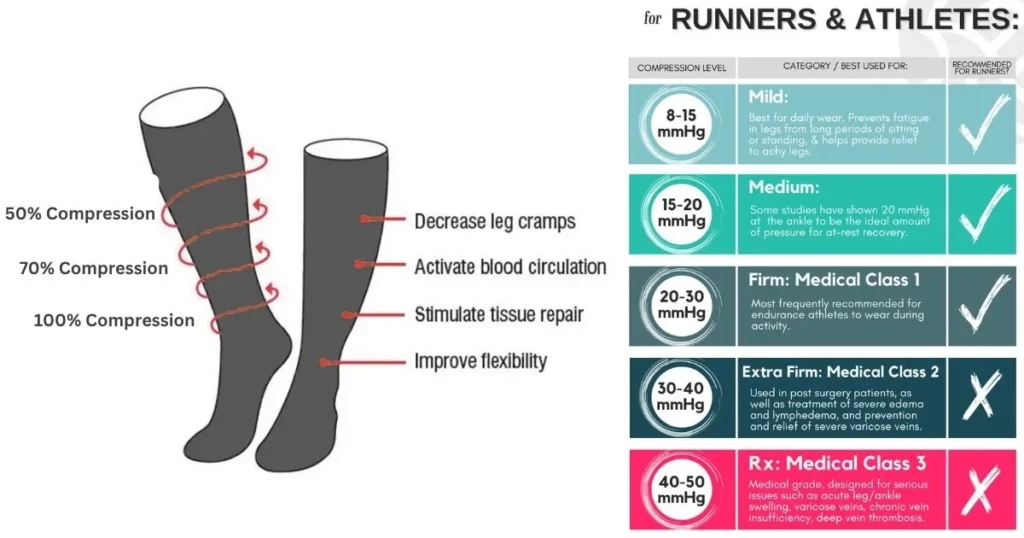
1. Compression Level:
- Mild (8-15 mmHg): For everyday use or mild fatigue.
- Moderate (15-20 mmHg): is ideal for travel, pregnancy, or mild swelling.
- Firm (20-30 mmHg): Used for chronic venous problems or recovery.
2. Materials:
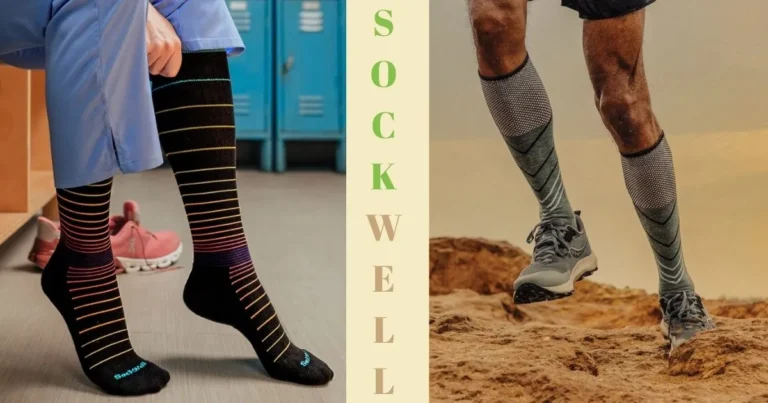
- Athletes use moisture-wicking fabrics (nylon, spandex).
- Breathable cotton blends for everyday wear.
3. Length
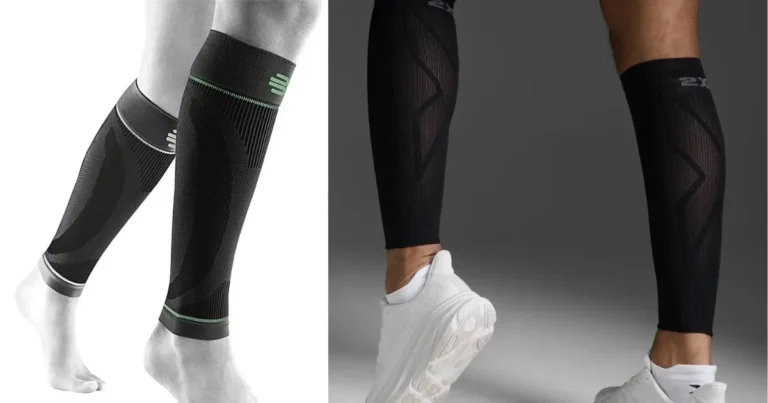
- Knee-highs are the most common for daily use.
- Thigh-high/full-length: For medical reasons or severe swelling.
4. Design:
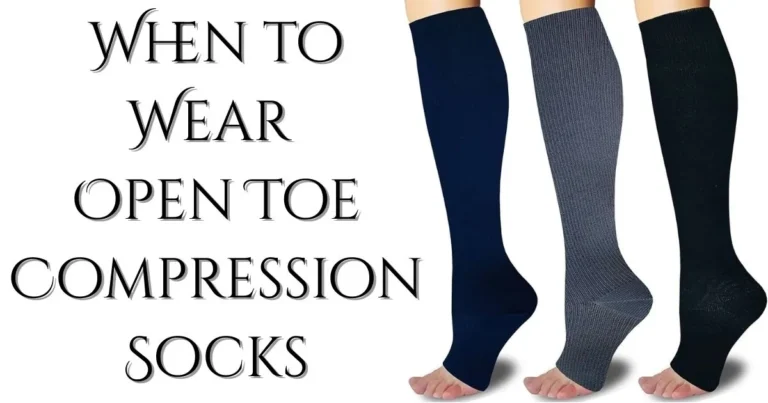
- Open-toe vs. closed-toe.
- Colours and patterns to match your style.
5. Certifications:
- Look for FDA-approved or medical-grade brands.
- About 600,000 Americans face DVT yearly.
- Compression socks can lower that risk.
How to Wear Compression Socks
Don’t just yank them on. Here’s the right way:
- Slip them on the right after you wake up.
- Legs should be dry, not swollen.
- Ease them up slowly, with no bunching.
- Rubber gloves can help with grip.
- Take them off at night.
- Wear it daily if your doctor says so.
Feel too tight? Contact your doctor. A wrong fit can cause bruising or irritation.
Differences Between Compression & Regular Socks
| Feature | Compression Socks | Regular Socks |
| Purpose | Improve circulation, reduce swelling, prevent clots | Comfort, warmth, style |
| Material | Elastic blends (nylon, spandex) with graduated pressure | Cotton, wool, or synthetics, no compression |
Fit | Precise, snug fit based on leg measurements | Loose, based on shoe size |
| Health Benefits | Reduces DVT risk, swelling, aids recovery | Basic foot protection, no therapeutic effects |
| Use Cases | Travel, pregnancy, medical conditions, athletics | Everyday wear, casual activities |
| Comfort | Snug but comfortable with modern designs | Loose, comfort varies by material |
Pro Tips:
- Please don’t wait for pain; use them before flights, workouts, or long shifts.
- Stretch or walk hourly to boost circulation.
- Handwash or use a mesh laundry bag to preserve elasticity.
Caring for Your Compression Socks
- Keep them lasting longer.
- Rinse in cold water.
- Use gentle detergent.
- Dryers destroy elasticity, so air dry instead.
- Replace every 3-6 months.
- Worn-out socks lose their squeeze.
Are There Any Risks with Compression Socks?
Compression socks are generally safe, but they’re not for everyone. If they’re too tight or poorly fitted, you might experience bruising, redness, or skin irritation.
People with certain conditions, like peripheral artery disease or severe skin infections, should avoid them unless a doctor says otherwise. If you’re unsure, always consult a healthcare professional.
If you’re new to compression socks, start with a light or medium pair to get accustomed to the sensation. Monitor how your legs feel after a week, you may be surprised by the difference.
And if you have a medical condition like DVT or varicose veins, don’t skip that appointment with your doctor. They can help you find the appropriate pressure and fit for your needs.
FAQS
In a Nutshell
Don’t Wait, Get Your Compression Socks Now
Whether you’re chasing a personal best, battling leg fatigue, or simply prioritizing wellness, compression socks are a small investment with big returns. Explore top-rated brands or consult your healthcare provider to find your perfect fit. Swollen, achy legs are the worst.
Compression socks fix that. They’re affordable ($10-$100) and easy to find. Check pharmacies, online stores, or medical suppliers. Talk to your doctor for prescriptions. Want real user tips? Grab your compression socks today. Your legs deserve it.
Real-Life Success Stories
Sarah, Marathon Runner: “Compression socks cut my post-race recovery time in half!”
James, Frequent Flyer: “No more swollen feet after 14-hour flights!”
Dr. Lee, Surgeon: “My team swears by them during 12-hour shifts.”

This design is spectacular! You obviously know how to keep a
reader entertained. Between your wit and your videos, I was almost moved
to start my own blog (well, almost…HaHa!) Excellent job.
I really enjoyed what you had to say, and more than that,
how you presented it. Too cool!
Wow—thank you for such an amazing compliment! 😄
we are really glad you enjoyed both the content and the way it was presented—that means a lot. And hey, “almost” starting your own blog still counts… you never know, this might be your sign to go for it! 😉
Appreciate your support and great vibes—stay tuned for more!