Crew vs Ankle Socks
Crew vs Ankle Socks: Which One Should You Wear
Let’s cut the fluff. You’ve got socks in your drawer. Some peek over your shoes. Others vanish like ninjas. Welcome to the crew vs ankle socks debate, a quiet war happening in every closet.
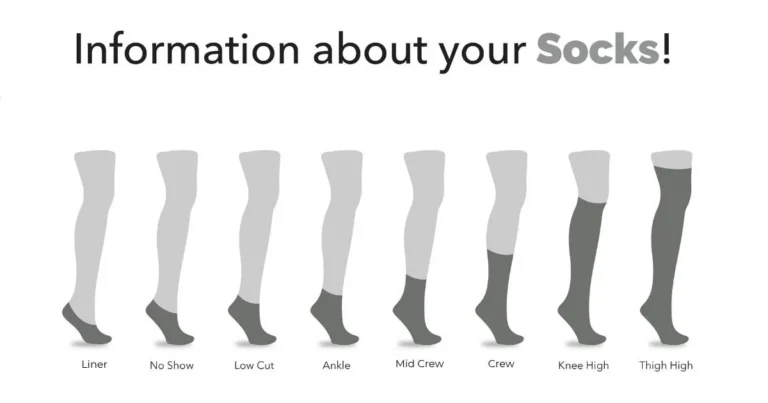
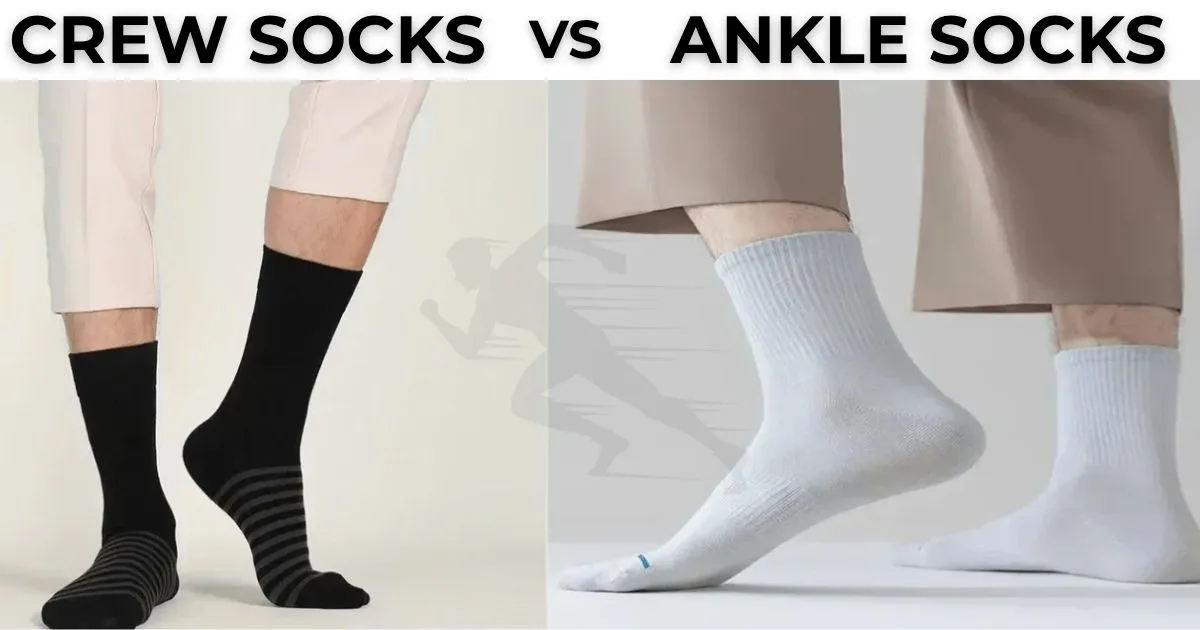
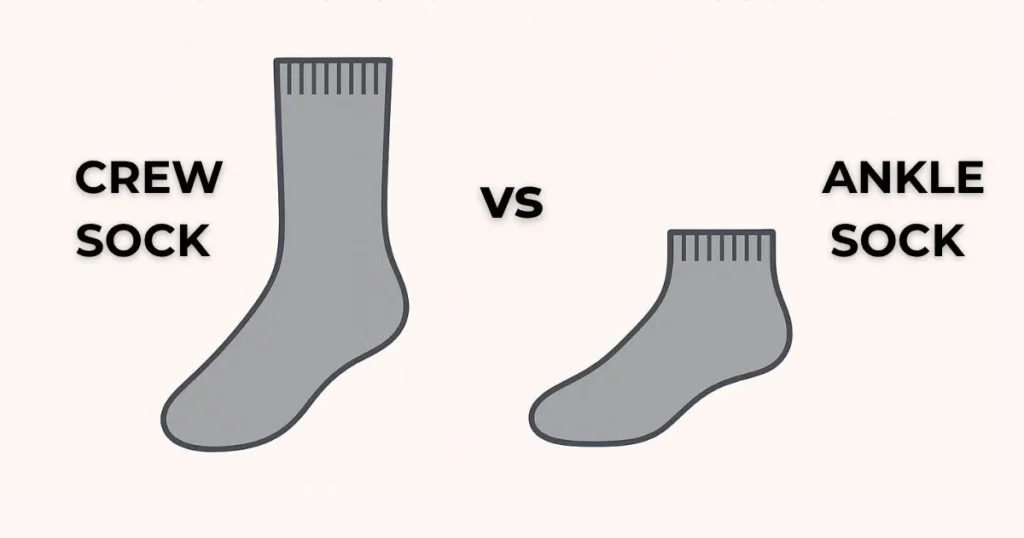
Here’s the thing: both have their strengths. Both have their fans. But the right choice? It depends on your style, your shoes and your mission for the day. Crew socks are longer, typically reaching mid-calf. They offer more coverage, warmth and style flexibility.
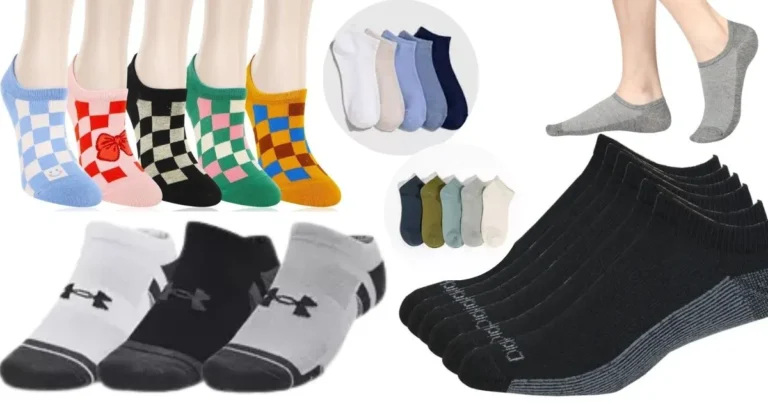
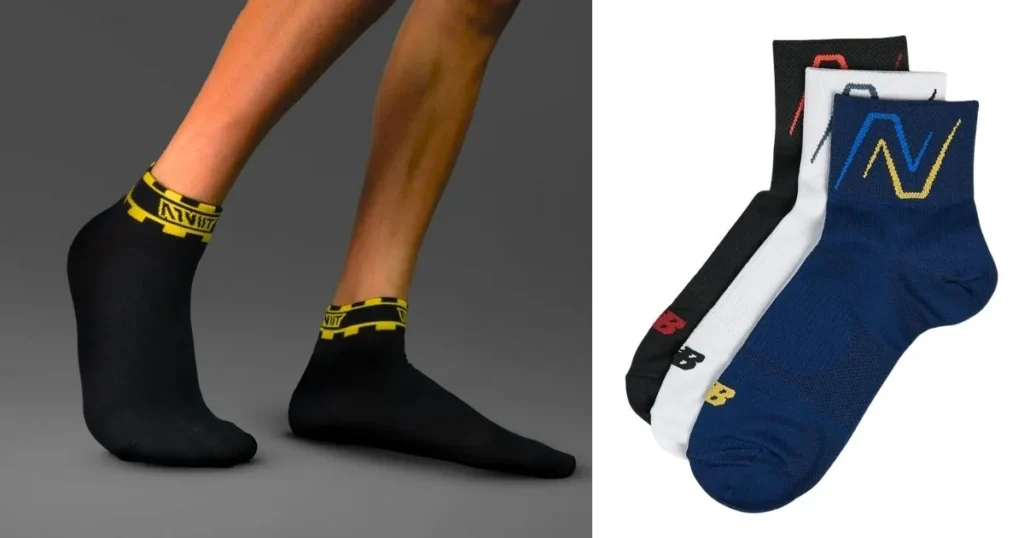
Ankle socks sit just above the shoe line, staying low-profile for sports and casual wear. Ankle socks offer a low-profile design, sitting just above the shoe line, making them ideal for sports and casual outfits.
What Are Crew Socks?
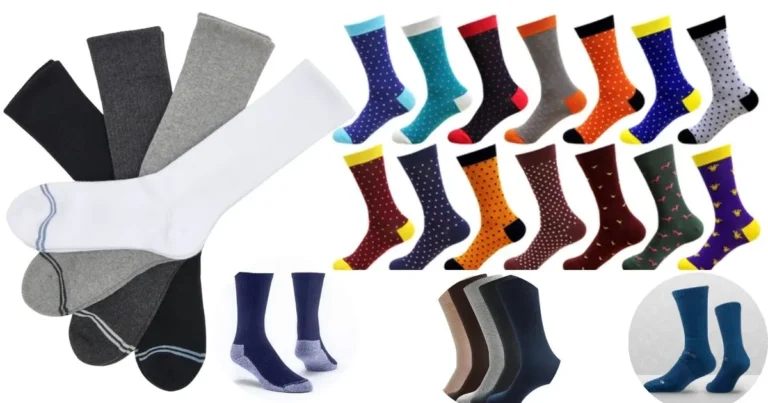
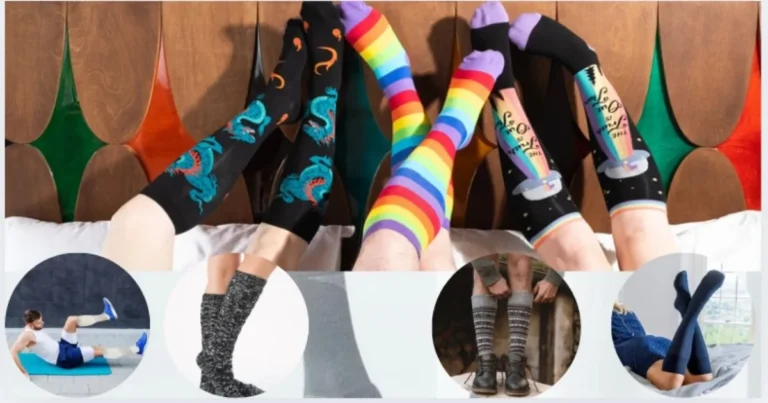
Think of crew socks as the classic all-rounder. They usually run 6–8 inches above the heel, stopping mid-calf. They’re used everywhere from the gym to the office to streetwear. Why people adore them:
- In colder climates, greater coverage equates to greater warmth.
- They can be used with sneakers, boots and even loafers.
- For a fashion statement, they might be branded, patterned, or plain.
Crew socks can also double as compression or athletic socks, making them a favorite for sports like basketball, hiking and weightlifting. Crew socks are versatile, serving as both compression and athletic socks. This makes them ideal for various sports, including basketball, hiking, and weightlifting.
Pros & Cons of Crew Socks
Pros
- Extra warmth and protection
- More style options (patterns, stripes, logos)
- Great for high-top shoes and boots
- Can prevent chafing from taller shoes
Cons
- Warmer in hot weather
- More visible, which may clash with certain outfits

When to Wear Crew Socks
Winter walks
Crew socks offer warmth and comfort as temperatures fall, making them ideal for brisk walks and cold commutes.
Hiking
They protect your calves from boot edges, rocks and debris on the trail. Extra coverage means fewer scratches.
Basketball
Crew socks provide warmth and light compression for your calves, helping you stay supported during quick moves.
Fashion fits
Bold patterns or clean white crews can turn simple shoes into a style statement. Great for streetwear or retro vibes.
What Are Ankle Socks?
Ankle socks are the minimalists of the sock world. They cover your foot and ankle bone but disappear under most pants. Ankle socks are also a style choice for those who hate the look of visible socks with shorts or cropped pants. Why people love them:
- Keep your legs cooler in hot weather.
- Ideal for sports like running, tennis and cycling.
Pros & Cons of Ankle Socks
Pros
- Lightweight and breathable
- Perfect for low-top sneakers and running shoes
- Minimalist style keeps focus on footwear
- Cooler in summer
Cons
- Less protection from blisters with certain shoes
- Not as warm in colder climates
- Limited use in formal settings
When to Wear Ankle Socks
Running
Ankle socks are lightweight and stay out of your way, letting you focus on your stride.
Gym Workouts
Minimal coverage facilitates superior airflow, ensuring foot coolness during rigorous exercise.
Summer Casual
They maintain leg coolness in warm climates while offering adequate foot protection.
Low-cut sneakers
Perfect for keeping socks hidden so your footwear takes center stage.
Crew vs Ankle
| Feature | Crew Socks | Ankle Socks |
| Length | Mid-calf | Just above ankle |
| Coverage | High | Low |
| Best For | Cooler weather, boots, fashion statements | Sports, hot weather, minimal look |
| Style Impact | Visible, can be a statement piece | Nearly invisible, keeps focus on shoes |
| Warmth | Warmer | Cooler |
| Durability | Often thicker and more protective | Usually lighter and thinner |
| Versatility | Works for casual, formal & athletic wear | Mostly casual and sports |
Materials Matter
Whether crew or ankle, material can make or break the comfort. Best fabric blends for both types:
- Cotton blends for everyday comfort.
- Merino wool for temperature regulation.
- Nylon/polyester for durability and quick-drying.
- Spandex/elastane for stretch and shape retention.
The Performance Factor
If you’re picking socks for sports, the decision is more about function than fashion.
- Crew for basketball, hiking or activities where leg protection matters.
- Ankle for running, tennis or training in hot climates.
FAQs
Final Words
Crew socks are versatile, stylish and protective, while ankle socks are sleek, breathable and perfect for hot weather or sports. The smartest move? Keep both in your drawer so you’re ready for any occasion. Match your socks to the day’s mission. Don’t let random laundry choices decide your look. Build a sock lineup that works for you crew socks for style and warmth while ankle socks for stealth and speed.