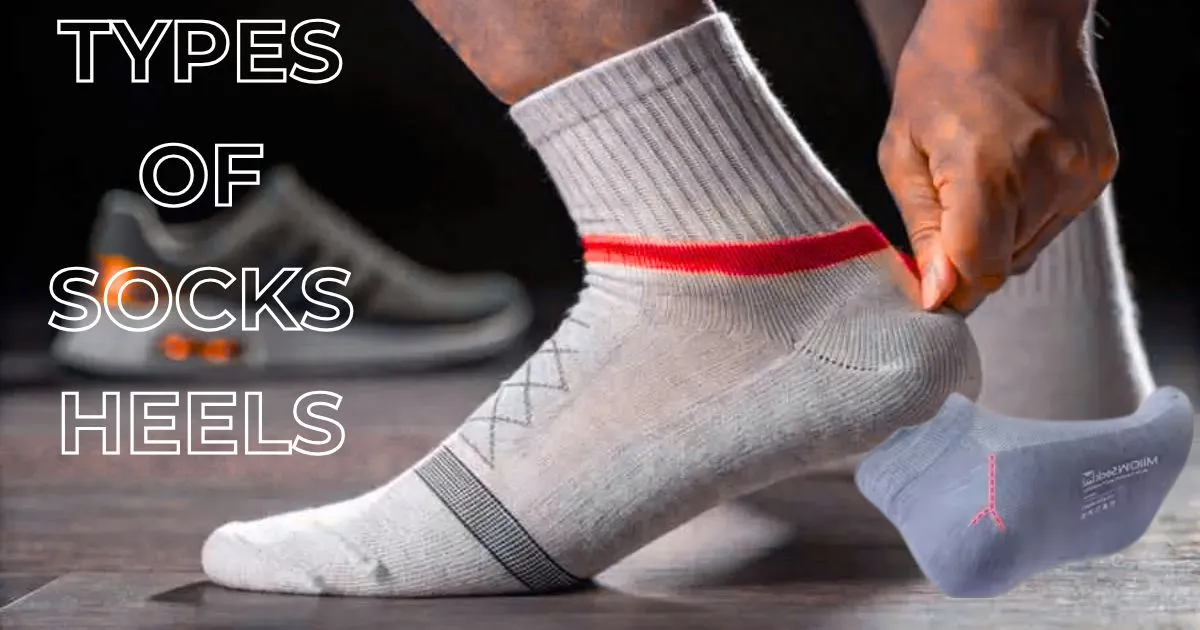
Socks Heels
What Is a Sock Heel?
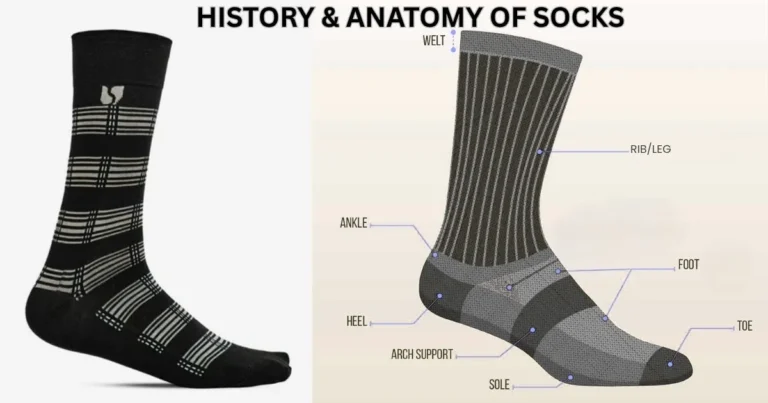
A sock heel is designed to cup the back of your foot, right around your heel bone. This is where the sock flexes and stretches to match the natural shape of your foot. It significantly influences fit, comfort, and lifespan.
A well-made sock heel helps keep the sock in place, prevents slipping, and reduces bunching inside your shoe. It also adds structure to the sock, allowing it to hug your foot properly and move with you. Since the heel is a high-friction area, it’s often reinforced to handle wear and tear. In simple terms, the sock heel is where comfort meets function—shaped to match your foot and built to stay put.
Why Socks Heels Matter
The heel isn’t just a random part of a sock—it’s the anchor. It keeps everything in place. Without a shaped heel, your socks bunch up, slide down, or twist inside your shoes. That means more blisters, more discomfort, and more adjusting.
A good heel hugs your foot, gives support, and adds structure. It also helps the sock last longer, since the heel takes the most beating when you walk. No heel shape = sloppy fit. Real heel = real comfort. Simple as that.
Socks Heels Types
You might think all socks are the same. Just foot tubes, right? Wrong. There’s a secret hero in every good sock: the heel. And not just “where your heel goes” We’re talking about how the sock is built to fit your heel. It changes everything.
Let’s break down the four most important sock heel types: Real Heel, Y Heel, Pouch Heel, and No Heel (tube socks). No fluff. Just straight talk.
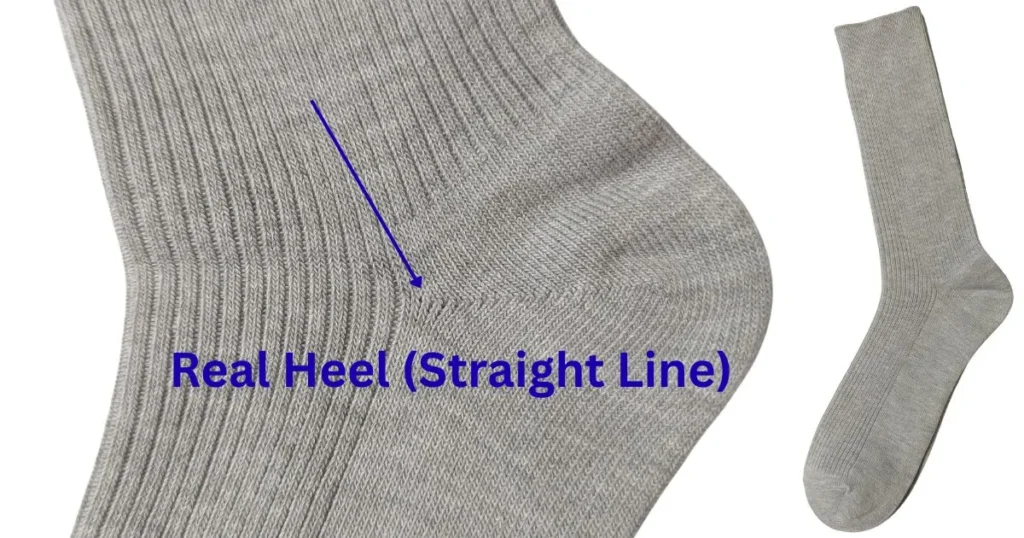
1. Real Heel
Imagine if socks had a custom-made section just for your heel. That’s the Real Heel. It’s called “real” for a reason—it’s shaped like your foot. The knitting is designed to curve naturally to cup your heel. It’s not flat or uncertain. It’s crafted to follow your heel’s shape, like a glove for your foot.
This isn’t just about looks. The real heel locks in your foot, especially in dress socks or performance gear. It doesn’t slip. It doesn’t sag. You won’t be tugging at it all day. When should you wear real heel socks? Anytime you care about fit and feel, especially with leather shoes, boots, or anything snug. They give you a pro-level experience, its a most common type.
What makes it special?
- Built-in curve at the heel.
- Doesn’t rely on stretching to fit.
- Designed with intentional structure.
Why it matters:
- Better grip inside your shoe.
- Less friction = fewer blisters.
- Socks last longer because they aren’t pulled or twisted the wrong way.
- Less expensive than Y-Heel.
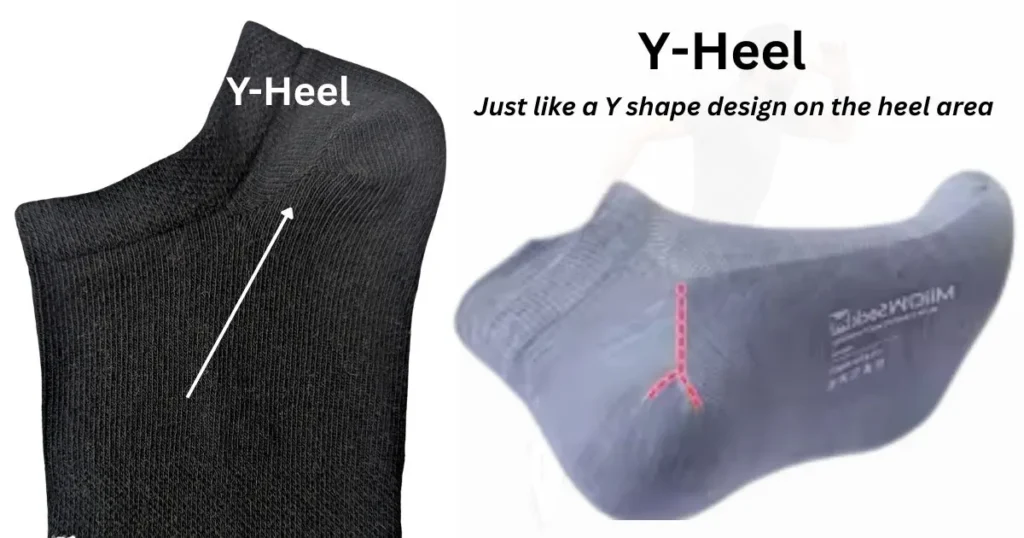
2. Y-Heel
This one’s a genius design trick. The heel is knit in a “Y” shape, which lets the sock bend and hug your heel perfectly. You can spot it easily a Y-shaped seam right where your heel hits.
Think of it like a seatbelt. It pulls just right, so your heel stays exactly where it should be. The Y-heel shines when you’re on the move. Whether you’re lifting, sprinting, or walking 10k steps a day, it keeps your sock in place. It’s like your foot is getting a high-five with every step.
These socks are built for performance. If you’re sweating, running, or just tired of adjusting your socks every hour, the Y heel will save your day.
What makes it special?
- The “Y” seam allows a natural heel pocket.
- Flexible fit, but doesn’t shift around.
- Often found in athletic, running, and compression socks.
Why it matters:
- Prevents slipping during high activity.
- Reduces fabric bunching under your heel.
- Helps the sock recover its shape after wear.
- Most expensive type in socks heels.
3. Pouch Heel
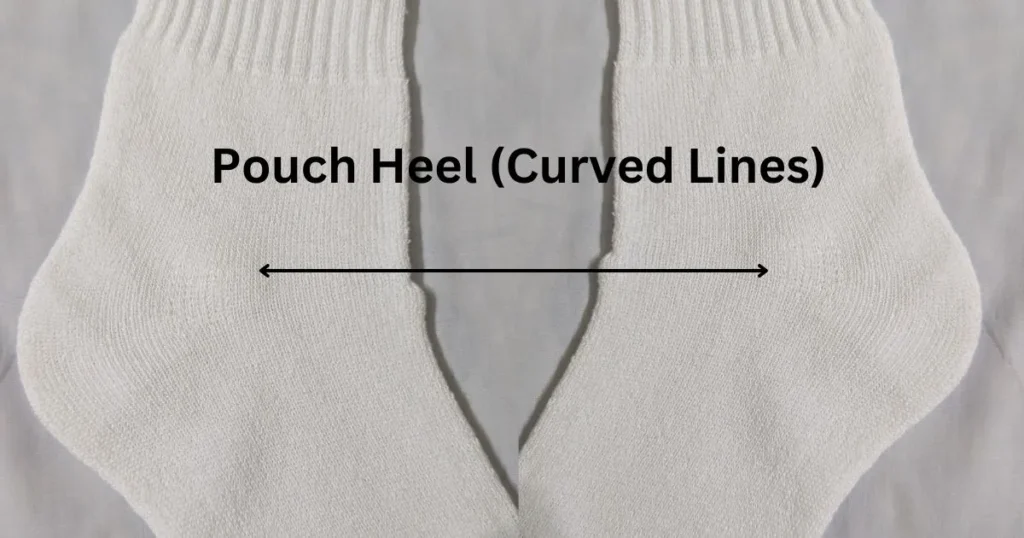
Pouch heel socks are socks with a specially knitted heel pocket or pouch. The pouch heel creates a three-dimensional curved area that cradles the heel for a better fit.
It doesn’t try too hard. Instead of tight stitching or complex shaping, it gives your heel a “pouch” to sit in. A little extra fabric, just enough to let your heel feel at home. This type is super common in everyday socks—what you throw on to walk the dog, grab coffee, or hang around the house.
It’s not as snug as the Y or Real heel. And it’s not trying to be. That’s the point. The pouch heel provides flexibility. It’s designed for casual wear, not for running laps or impressing others. Just everyday comfort, minus the overengineering.
Pouch heel socks are your go-to for chill days. You won’t feel locked in, but you won’t feel like they’re falling off either. Just enough support to stay cozy, not enough to go hiking.
What makes it special?
- Has a small pocket at the back for your heel.
- Simple construction, no fancy seam work.
- Soft and easygoing.
Why it matters:
- Great for casual, loose-fitting shoes.
- Less compression = more relaxed feel.
- Doesn’t dig into your skin.
- Least expensive as compared to real heel & Y-heel.
4. No Heel (Tube Socks)
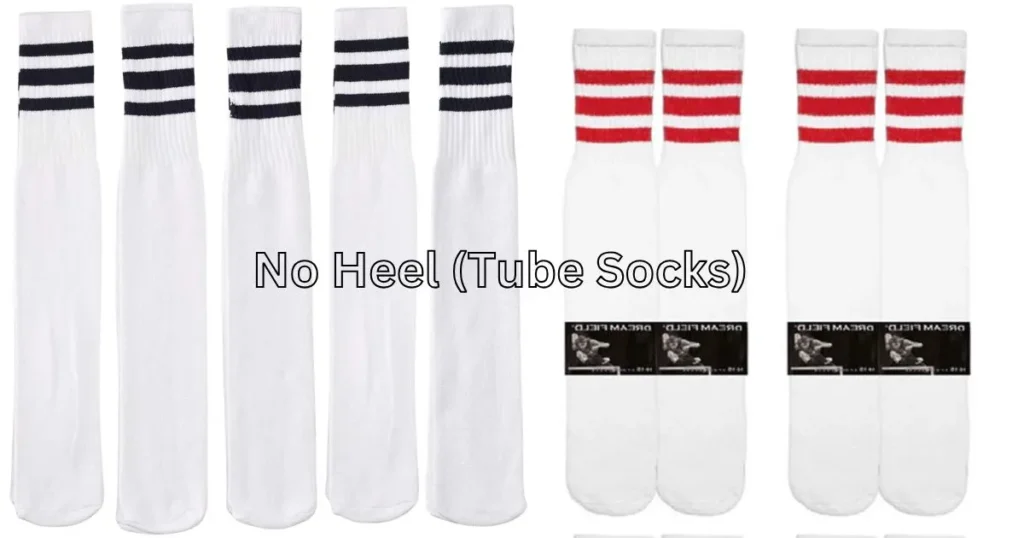
Last but not least… the No Heel sock. Also known as the Tube Sock. This one’s a rebel. It says, “Why bother shaping anything?” It’s just a straight tube of fabric. No heel curve. No shaping. No pocket. Just one size, hopefully it fits all. Sound bad? Not always.
This design can be found on bulk socks, team socks, children’s socks, and socks made for fast production. It isn’t designed for all-day wear or even performance. However, it gets the job done quickly.
What makes it special?
- One long tube—heel can land anywhere.
- Simple and cheap to manufacture.
- Fits a wide range of foot sizes.
Why it matters:
- Costs less to produce = cheaper price.
- Works well for temporary or flexible sizing.
- No heel = universal fit, but not universal comfort.
- Most cheapest version in socks types.
Other Socks Heels Types
Besides the main four, there are a few less common sock heel styles you might come across. These include Real Extended heel, Double Y-heel and Triple Y-heel – which offer more depth and reinforcement for a better grip and longer wear. You’ll also find V Heel and V Extended types, mainly in hand-knit or specialty socks. They’re rarely used in mass production but serve specific fit or performance needs.
Sock Heel Types Comparison Table
| Heel Type | Comfort Level | Best For | Durability | Cost |
| Real Heel | High – foot hugging | Dress socks, boots, long wear | High – keeps shape | Moderately expensive |
| Y Heel | High – active comfort | Sports, running, performance | High – reinforced heel | Most expensive |
| Pouch Heel | Medium-soft fit | Casual wear, everyday socks | Medium – simple knit | Less expensive |
| No Heel (Tube) | Low – minimal shaping | Bulk, kids’ socks, quick wear | Low – loses shape fast | Cheapest |
FAQs.
Final Thoughts:
The Heel Is a Big Deal: Socks heels aren’t just tiny details; they’re game changers. The right heel gives you the right fit. It keeps your sock in place, boosts comfort, and helps your pair last longer. Whether it’s the snug grip of a Y heel, the tailored curve of a real heel, the chill vibe of a pouch heel, or the all-purpose tube sock, every heel has its moment.
Choose based on how you live, move, and dress. Because when the heel fits, everything else just works. Each has a purpose. Each solves a different problem. But none are random. The heel isn’t just a shape it’s a strategy. It affects how your socks fit, how long they last, and how your feet feel at the end of the day.
So next time you shop for socks? Check the heel. Your feet will notice—even if you never did before.