
Compression Socks for Men
Compression Socks for Men: A Complete Informational Guide
Compression socks are like a chill vibe for your legs. They give a light squeeze—not some crazy tight grip, just enough to keep blood zooming so your legs don’t feel like bricks.
Compression socks are no longer limited to athletes or the elderly. Men across various lifestyles are discovering their benefits, especially those who spend long hours standing, travel frequently, or experience leg discomfort. This guide’s gonna spill the tea on compression socks for dudes-what they’re about, why they’re cool, what kinds you can grab, how to wear, and how to not mess up.
They’re not just for running. If you’re a guy who’s on his feet all day, like at a job or just hustling, these socks keep your legs from turning into zombies. They cut down on aches and stop those weird, puffy veins from popping up. The way they work? Tighter at the ankle, looser up top by your knee. It acts as a small stimulant to restore blood flow to your heart. No more puffy, tired legs. Total win, right?
Compression socks give your legs a little squeeze. It’s not like a bear hug, but enough to keep blood moving so your legs don’t feel all heavy. It’s like they’re cheering your calves on!
They stop swelling and make your legs less tired. This comprehensive guide aims to provide international readers with an in-depth exploration of custom-made compression socks for men, encompassing their various advantages, available types, correct usage, and essential maintenance tips.
What Are Compression Socks?
With the use of specially made clothing, compression socks help to maintain blood flow, lessen pain and swelling, and apply graduated pressure to your lower legs.
They are frequently advised for people who have circulation problems, stand or sit for long periods, or are recuperating from sports injuries or surgery.
Key Benefits of Compression Socks for Men
Compression socks provide numerous health and comfort benefits:
- Better circulation: Prevents blood pooling and aids in returning blood to the heart.
- Reduced swelling and pain: Alleviates discomfort from prolonged standing or travel.
- Faster muscle recovery: Especially useful for athletes and fitness enthusiasts.
- Reduced risk of blood clots (DVT): Beneficial during long flights or sedentary periods.
- Support for varicose veins and spider veins: Eases symptoms by supporting vein walls.
- Improved energy levels: Reduces leg fatigue and promotes all-day comfort.
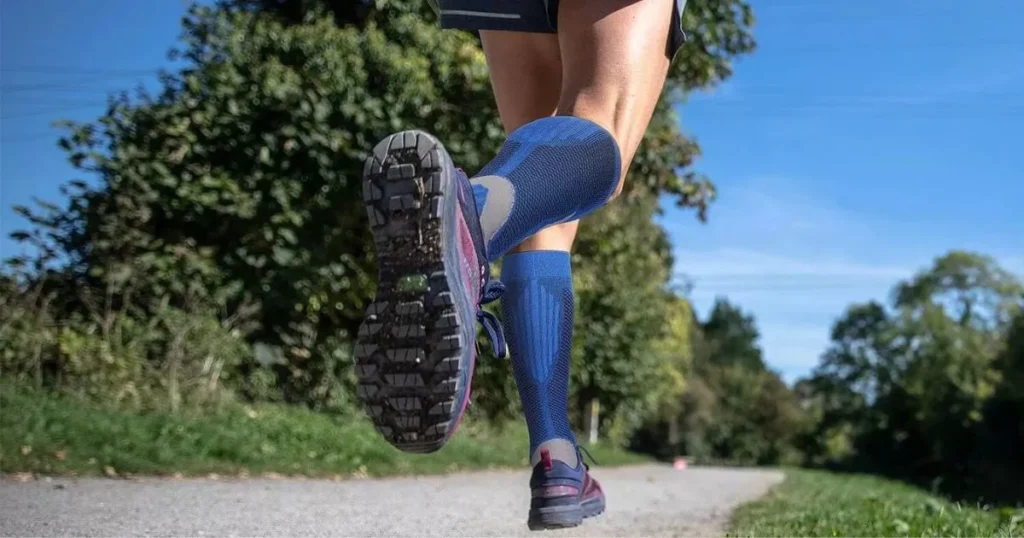
Who Should Consider Wearing Compression Socks?
Compression socks are perfect for many different types of people:
- Office workers who sit for long periods
- Retail and hospitality staff who stand for hours
- Frequent flyers and long-distance drivers
- Athletes or gym-goers
- Men with diabetes, varicose veins, or DVT history
- Post-surgery patients under medical advice
Who Should Avoid Them Without Medical Advice?
- Men with peripheral arterial disease (PAD)
- Those with severe skin infections or open wounds
- Individuals with congestive heart failure
Always consult a doctor before beginning regular use, especially if you are suffering from other medical conditions.
Types of Compression Socks for Men
By Compression Level:
- Mild (8–15 mmHg): Ideal for daily wear, travel, and minor fatigue.
- Moderate (15–20 mmHg): Helps manage mild swelling and discomfort.
- Firm (20–30 mmHg): Treats varicose veins and DVT and supports post-surgery recovery.
- Extra Firm (30–40 mmHg): For severe venous conditions and chronic circulation issues (prescribed use).
By Length:
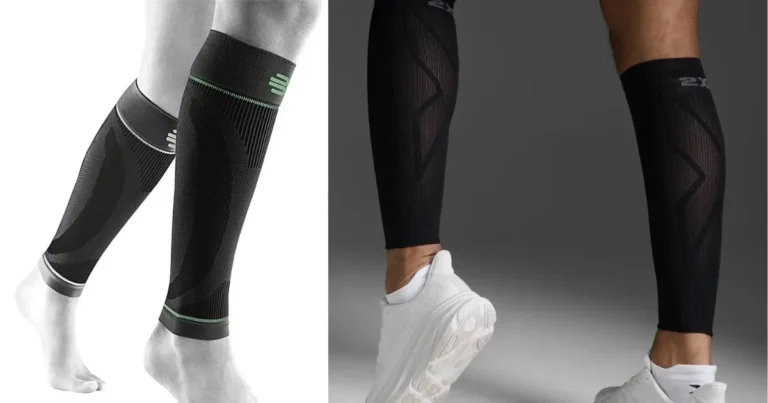
- Ankle-High: Provides targeted support around the ankle area.
- Calf-Length: Most common; offers full lower leg coverage.
- Thigh-High/Pantyhose: Used for severe circulatory issues or post-surgical care.
By Style:
- Dress Socks: Suitable for office wear and formal shoes.
- Athletic Socks: Made with moisture-wicking materials and arch support.
- Travel Socks: Lightweight, breathable, and ideal for long-distance travel.
- Medical-Grade Socks: Certified for clinical use, often prescribed by healthcare professionals
They Don’t Look Lame
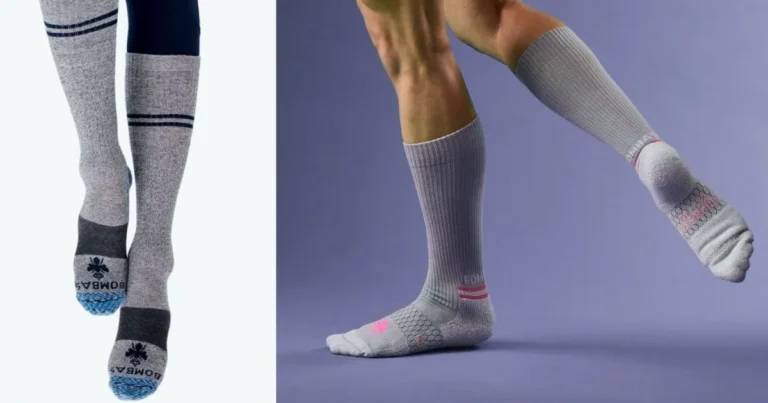
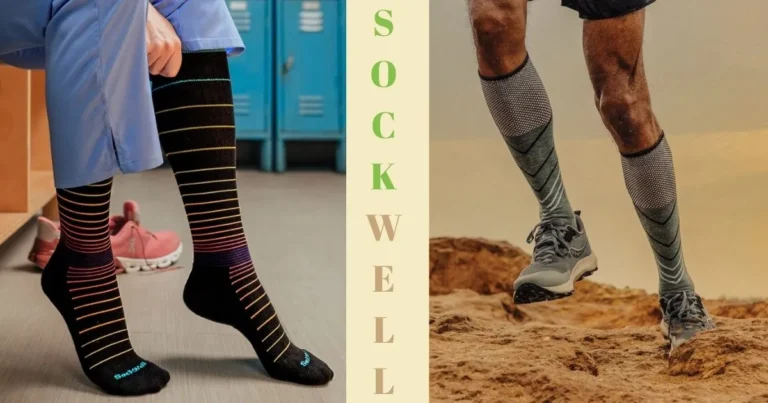
Forget those ugly medical socks. These come in dope styles! You can get knee-high ones for sports or short ones for school. They’ve got colors like black or navy, and some have cool patterns like zigzags or flames.
There’s light ones for chilling, medium ones for running, or tighter ones if your legs need extra love. You’ll look fly, not like you raided your grandpa’s closet.
Materials and Comfort Features
High-quality compression socks are made from blends of
- Nylon and elastic (spandex) blends: Stretchable, breathable, and form-fitting.
- Cotton blends: Soft, comfortable, and suitable for all-day wear.
- Moisture-absorbing fabrics: Compression socks for men often feature moisture-wicking fabrics to help keep feet dry and minimize odour.
Look for features like:
- designs for seamless toes
- Comfortable soles with cushions
- Cuffs with anti-slip properties
- Technology for odour control
Step-by-Step Guide: How to Wear Compression Socks Properly
- Choose the right size: Measure your ankle, calf, and leg length for an accurate fit. Refer to sizing charts provided by manufacturers.
- Put them on early in the day: When your legs are least swollen, preferably before getting out of bed.
- Slide gently over the foot and ankle: Avoid bunching or folding.
- Smooth out wrinkles: Ensure that the fabric is uniformly tight without being overly so.
- Wear as instructed. The majority of men take them off before going to bed.
- Wash regularly: Follow care instructions to maintain elasticity and hygiene.
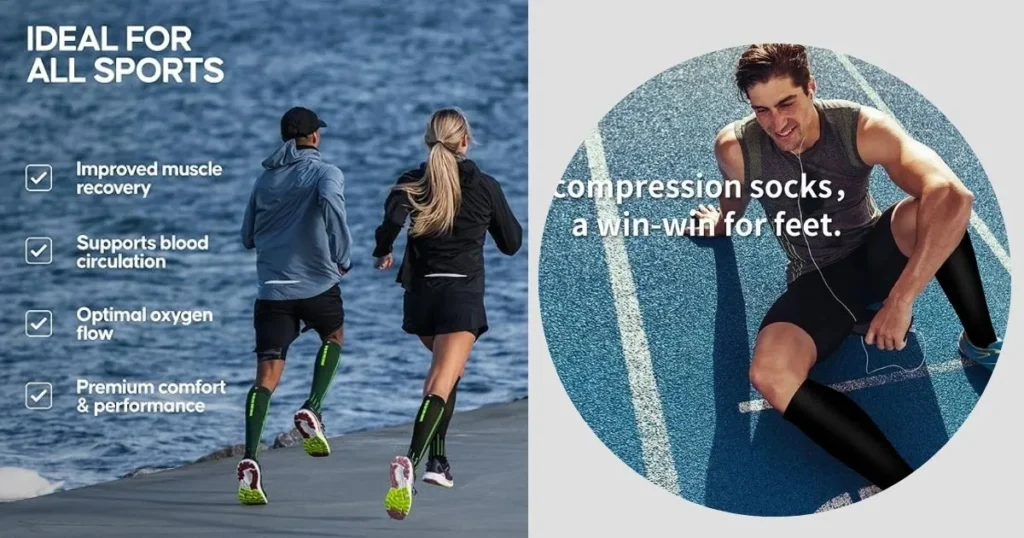
Buying Guide: What to Look For
When buying compression socks, consider:
- Compression level required (mild to medical-grade)
- Your primary use case (e.g., travel, work, exercise)
- Material comfort (breathable, durable, anti-odor)
- Ease of putting them on (especially for higher compression levels)
- Brand reliability and certifications (check reviews and approvals)
Popular Brands for Men’s Compression Socks
- CEP—Great for athletes
- Sockwell—stylish options with graduated compression
- Jobst—Medical-grade and doctor-recommended
- Physix Gear—Affordable and suitable for travel or office use
- Zensah—Known for moisture-wicking and comfort
Care and Maintenance Tips
- Wash after every use to avoid bacterial accumulation.
- Use lukewarm or cold water and mild detergent.
- Don’t use dryers or high heat; just let it air dry.
- Depending on wear and tear, replace every three to six months.
Actual Use Cases:
Fitness Fans and Athletes: By boosting oxygen delivery to muscles and lowering soreness after exercise, compression socks can enhance performance.
Professionals on Their Feet All Day: Men in construction, healthcare, or retail find relief from leg pain and fatigue.
Regular Passengers: Perfect for long flights or car rides to avoid swelling and DVT.
Seniors: Promotes healthy circulation and reduces the risk of blood clots or varicose veins.
FAQs
Final Thoughts:
Compression socks for men offer more than just comfort—they’re a tool for better health and prevention. Whether you’re working long shifts, training for a marathon, managing a medical condition, or want better leg support, there’s a pair that suits your needs.
Choose wisely based on your lifestyle and health goals. When in doubt, seek advice on compression levels and usage from a healthcare professional.