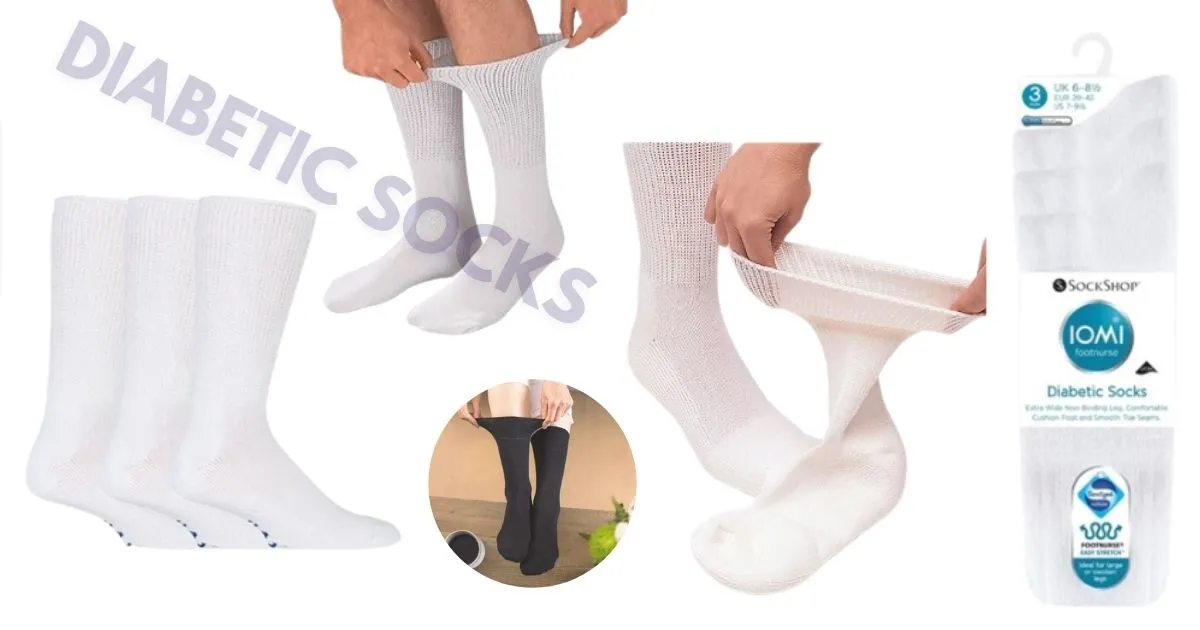
Diabetic Socks
Your Guide to Choosing Diabetic Socks
Your feet may experience some difficulties if you have diabetes. High sugar levels can mess with how your blood moves and make your nerves act like they’re on vacation, leaving your feet open to sneaky cuts, infections, or sores that take forever to heal.
That’s where diabetic socks swoop in like a cozy blanket for your toes, keeping them safe and happy. Stick with us as we spill the beans on why these socks rock, what makes them tick, and how to snag the best pair for your daily hustle.
What Are Diabetic Socks?
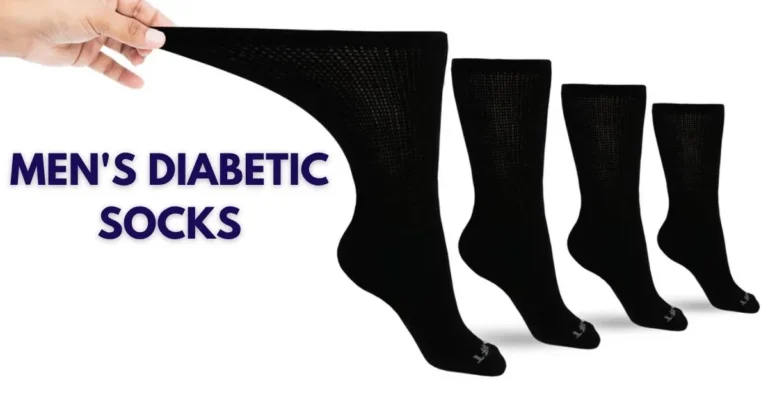
Diabetic socks are like your feet’s VIP pass to Comfort Town. Forget those boring socks you’ve got stashed away; these are built for folks with diabetes, tackling stuff like wonky nerve signals or sluggish veins. They wrap your feet in a soft, protective cocoon, using nifty fabrics to keep things dry, padded, and ready to sidestep any scrapes that could stir up trouble.
Materials That Make a Difference
Diabetic socks use fabrics chosen for comfort, breathability, and protection. Take a brief look at the leading players:
| Material | Why It’s Great | Things to Watch |
| Bamboo | Super soft, breathable, and naturally antibacterial, it keeps feet dry and cool. | It can be pricier than other options. |
| Merino Wool | Cozy, moisture-wicking, and odor-resistant, keeps feet warm without overheating. | It may feel itchy for some. |
| Cotton | Soft and breathable; gentle on sensitive skin. | Holds onto moisture, so not ideal for sweaty feet. |
| Coolmax | Wicks sweat like a champ, keeping feet dry during active days. | Less soft than natural fibers. |
| Silver-Infused | Fights bacteria and odor with natural antimicrobial magic. | Higher cost and needs careful washing. |
Pro Tip: For everyday wear, bamboo or merino wool are top picks for their breathability and softness. If you’re active, Coolmax or silver-infused socks keep sweat and bacteria at bay.
Important Characteristics of Diabetic Socks
During your shopping experience, look for these revolutionary features:
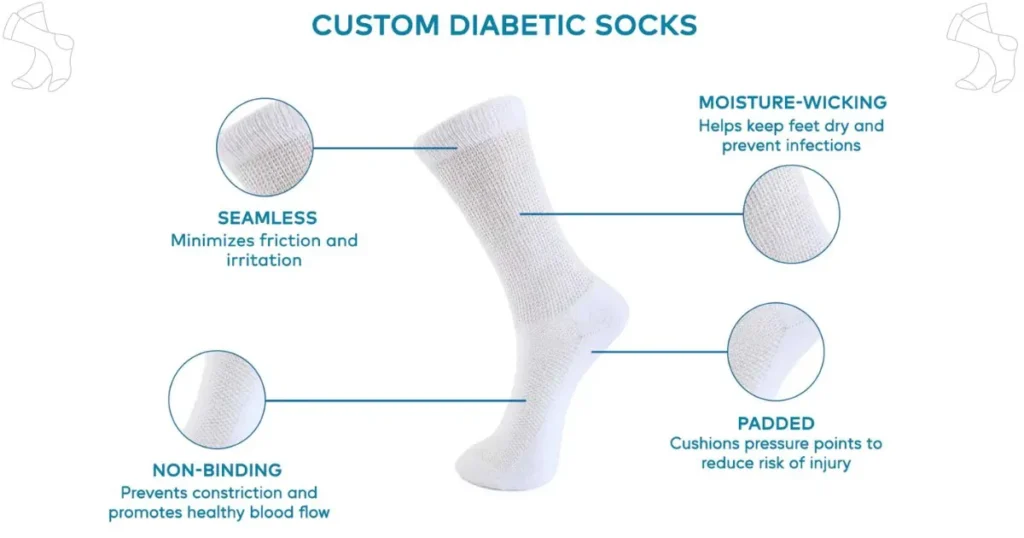
Non-Binding Tops: Loose, stretchy cuffs that stay up without squeezing, keeping blood flowing freely.
Seamless Design: No pesky seams to rub or irritate, reducing the risk of sores.
Extra Cushioning: Plush padding at the heel, toes, and ball of the foot to absorb pressure and protect sensitive spots.
Breathable Fabrics: Materials that let air flow, preventing sweaty, infection-prone feet.
Antibacterial Boost: Some socks come with silver or copper infusions to fight bacteria and keep feet fresh.
Arch Support: Built-in support to ease foot fatigue, especially if you’re on your feet all day.
Why Do Diabetic Socks Matter?
If you have diabetes, it is very important to take care of your feet. Let me share why they’re so helpful.
Better Blood Flow
Having diabetes can affect blood flow, particularly to the feet. This may cause discomfort or more serious problems. Ordinary socks with tight bands can exacerbate the situation by squeezing your feet.
Diabetic socks are loose at the top, letting blood move freely. This keeps your feet healthier and lowers the chance of problems.
Protection from Sores and Infections
Sores and infections are a big worry for people with diabetes. Tight socks or ones with rough seams can rub your skin and cause blisters. If those blisters get infected, they can become serious. Diabetic socks are smooth and soft, reducing rubbing. They also keep your feet dry to stop fungal infections.
Less Swelling:
Swollen feet can be painful and make you feel tired. This happens a lot with diabetes. Diabetic socks gently hug your feet to reduce extra fluid buildup. That makes your feet feel lighter and more comfortable all day long.
Men’s vs. Women’s Diabetic Socks: What’s the Difference?
While both men’s and women’s diabetic socks share core features like seamless toes and cushioning, there are slight differences:
Size and Fit: Men’s socks are wider and longer for larger feet, while women’s socks are narrower with a more contoured shape.
Style: Women’s socks often come in brighter colors or patterns (think florals or stripes), while men lean toward neutral tones like black or navy.
Compression and Padding: Men’s socks may offer more arch support for heavier steps, while women’s might have extra toe or heel padding for comfort.
Go Antibacterial: If infections are a concern, opt for silver- or copper-infused socks.
Diabetic Socks vs. Compression Socks
Not sure whether to grab diabetic socks or compression socks for your feet? Despite their similar sounds, they are designed for different tasks. Here’s a straightforward rundown to help you figure out which one’s right for your needs, whether you’re dealing with diabetes or just want happy feet.
| Feature | Diabetic Socks | Compression Socks |
| What They Do | Act like a soft shield, keeping diabetic feet comfy and safe from cuts, blisters, or infections. | Work like a firm hug, squeezing your legs to boost blood flow and cut down on puffiness. |
| How They Fit | Roomy, relaxed tops that don’t pinch, plus extra padding to cushion your steps without squeezing. | Snug and stretchy, with a tight grip that’s strongest at the ankles and eases up higher to push blood upward. |
| Pressure Vibes | Barely any squeeze—designed to avoid choking off blood flow, especially for numb or sensitive feet. | Deliberate pressure (think 15–30 mmHg) to keep blood moving, great for swollen legs or vein troubles. |
| Standout Traits | No seams to rub, plush padding for protection, and fabrics that keep feet dry and cozy (like bamboo or wool). | Stretchy fabrics like spandex, often knee- or thigh-high, are built to support veins and reduce leg swelling. |
| Who Needs Them | Folks with diabetes, numb feet (neuropathy), or sensitive skin who want to dodge sores and stay comfy. | People with swollen legs, varicose veins, or those needing a circulation boost (like travelers or post-surgery patients). |
| Comfort Factor | Soft, breathable materials that care for your feet all day make it feel like you’re slipping into a cloud. | Feel supportive but tight, prioritizing blood flow over plush comfort; it might feel intense for some. |
| When to Wear | Perfect for daily wear, from morning walks to lounging, especially if you’re managing diabetes. | Best for specific times, like long flights, standing all day, or when your legs feel puffy; often taken off at night. |
| Things to Know | Safe for most diabetics, but loose fits can slip if not sized right. | It might not be safe for diabetics with poor circulation or numbness—check with a doctor first. |
How to Pick the Perfect Pair
Finding the right diabetic socks is all about matching them to your needs:
Prioritize Fit: Socks should be snug but not tight, staying in place without slipping or bunching.
Choose Breathable Materials: Bamboo or merino wool are great for daily wear; Coolmax® for active days.
Check Padding: Look for extra cushioning if you’re on your feet a lot or have neuropathy.
Pick the Right Length: Ankle socks work for casual wear, while knee-high options help with swelling.
FAQs
Wrapping It Up
Diabetic socks are a simple yet powerful way to care for your feet when living with diabetes. With their cozy cushioning, breathable fabrics, and circulation-friendly designs, they help keep blisters, infections, and discomfort at bay. Whether you’re walking, working, or relaxing, choose a pair with the features, material, and fit that best suit your needs. The extra attention will be appreciated by your feet!